





Equipment for water-chemical treatment, which is critical in the steam-water cycle of thermal power plants, industrial boilers, etc. Adding microdoses of ammonia water (NH₂OH) or liquid ammonia (NH₃) to the boiler feed water to increase the pH of the feed water (usually maintained in the range of 8.8–9.3 or depending on specific conditions) allows the formation of a stable protective film of magnetite (Fe₃O₄) on the surface of the metal (for example, carbon steel).
Equipment for water-chemical treatment, which is critical in the steam-water cycle of thermal power plants, industrial boilers, etc. Adding microdoses of ammonia water (NH₂OH) or liquid ammonia (NH₃) to the boiler feed water to increase the pH of the feed water (usually maintained in the range of 8.8–9.3 or depending on specific conditions) allows the formation of a stable protective film of magnetite (Fe₃O₄) on the surface of the metal (for example, carbon steel). This film is dense and durable, effectively preventing contact of the base metal with a corrosive environment and significantly reducing the rate of corrosion in the system. Ammonia is irritating and toxic; during storage and use, it is necessary to provide ventilation and personal protective equipment to prevent leaks.
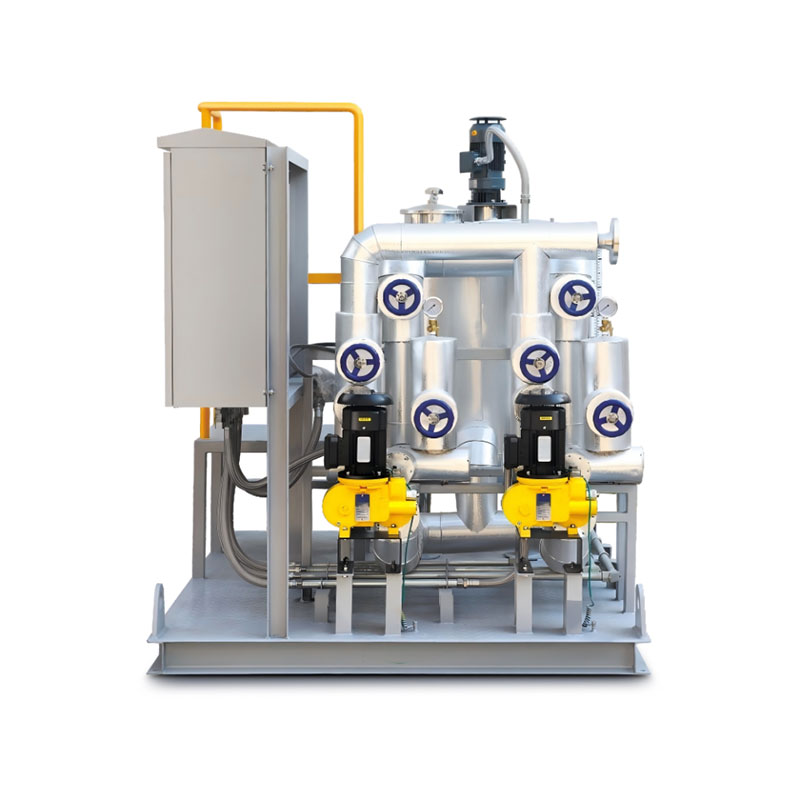
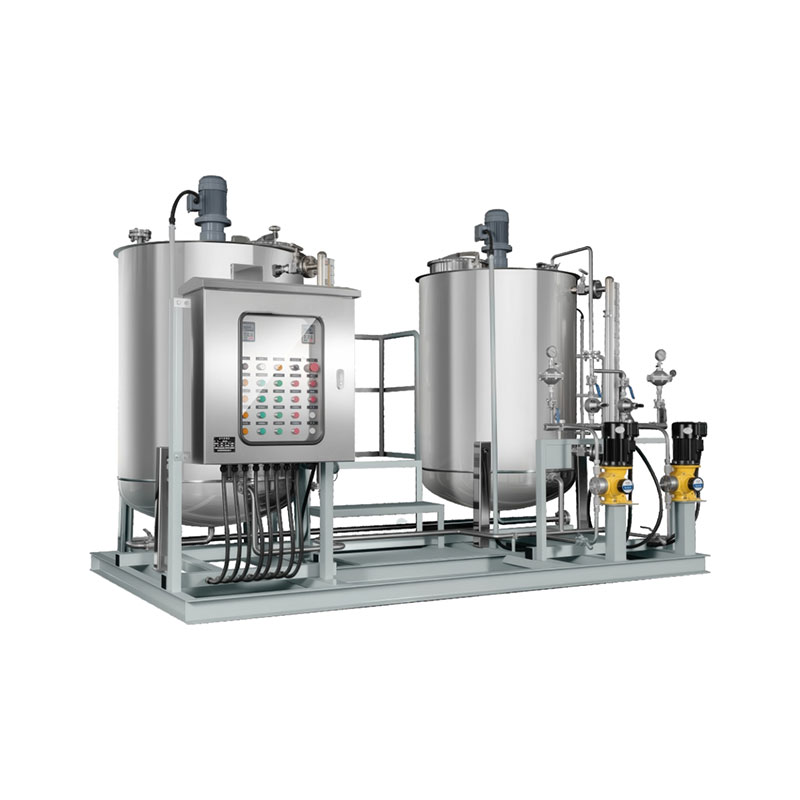
This installation mainly consists of four parts: a reagent solution preparation system, a dosing system, a dilution and mixing unit, a monitoring and control system, and auxiliary safety equipment. Concentrated ammonia is mixed with demineralized water in a tank in a given proportion to obtain a dilute ammonia solution of a certain concentration (for example, 1-5%). A dosing pump delivers a precisely measured amount of ammonia solution into the dilution water line, where an even lower concentration solution is formed. A downstream online pH meter continuously measures the pH of the feedwater and transmits a signal to the controller. The controller, based on the deviation of the measured pH value from the set value, automatically adjusts the performance of the dosing pump, forming a closed control loop, and ultimately stabilizes the pH of the feed water in the required range.
Has the following features
1. Effective corrosion protection: greatly reduces the iron content of feed water, extending the service life of equipment.
2. Cost-effective: low dosage of the reagent, low costs with huge benefits (reduction of repairs and equipment replacements).
3. High degree of automation: fully automatic unmanned operation is possible.
◆ Feed water system for boilers of thermal power plants (including the nuclear power plant circuit).
◆ Feed water system for industrial steam boilers.
◆ Various closed cycle thermal systems.
Review
JY series dosing equipment is designed to meet the needs of the market and customers, as well as to provide production automation in such fields as petroleum, chemical, oil refining, gas production, water supply, thermal power, pharmaceuticals, food processing and others. It uses advanced technology and production processes from the United States, Germany, Japan and other countries, strictly in accordance with the requirements of technological standards and taking into account the actual conditions of China.
JY series dosing equipment is characterized by completeness, advanced technology, high degree of automation, convenient operation, easy maintenance, and the ability to meet the needs of various operating modes. Custom products can also be designed and manufactured to meet specific user requirements.
JY series dosing devices are widely used for dosing reagents in boiler water (ammonia, hydrazine, phosphates), dosing into source water (flocculants, coagulants, acids, alkalis, etc.), dosing into circulating water (corrosion inhibitors, scale inhibitors, fungicides, concentrated sulfuric acid, alkaline solutions, etc.), for chemical additives in oil and gas fields, waste and sewage water treatment, as well as in other operating modes.
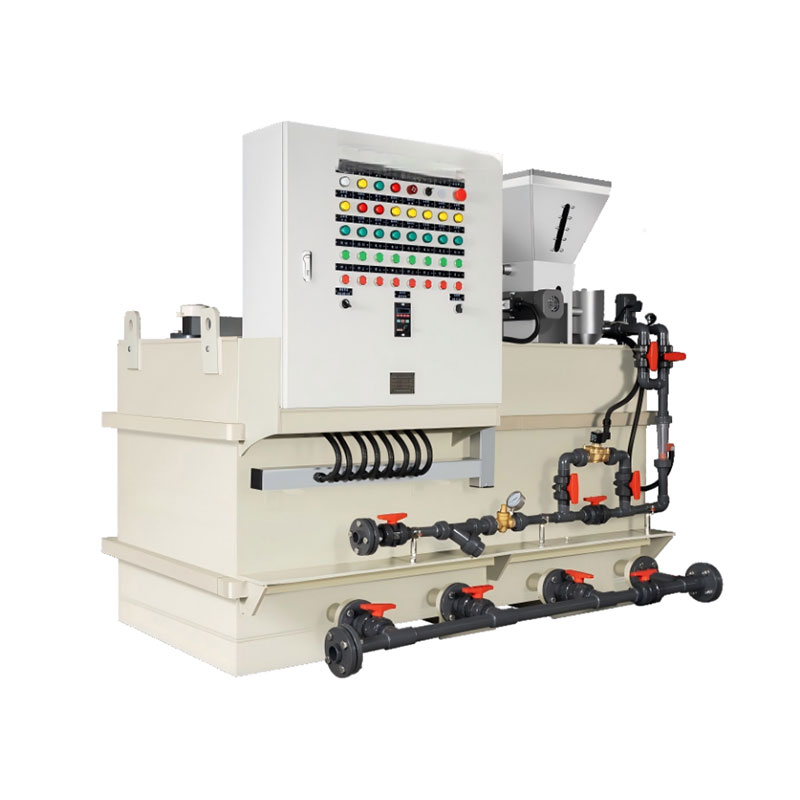
The JY series dosing device consists of a solution tank, stirrer, level indicator, dosing pump, filter, damper (buffer), safety valve, various types of fittings, electrical control part, common base with platform and ladder, and pipeline fittings.
Check valve
Complete dispensing devices include the following three categories: simple dispensing device, integrated dispensing device, separate dispensing device.
Simple dosing device
The simple dosing device is equipped with a small dosing pump, stirrer, level sensor and other accessories. All of them are directly installed on the dosing barrel. Thanks to its flexible configuration, small footprint and high efficiency, it is very suitable for use in small dosages. Optional accessories: injection valve, pulsation damper, back pressure valve, control cabinet, etc.
Integrated dosing device
An integrated dosing device means installation in a single unit, that is, the solution tank, agitator, level gauge, dosing pump, control cabinet, ladder platform and other accessories (such as safety valves, dampers, check valves, etc.) are all installed on one channel base.
The metering device combination covers various types, such as "one tank - one pump", "one tank - two pumps", "two tanks - two pumps", "two tanks - three pumps", "two tanks - four pumps", as well as multi-tank configurations with pumps, etc.
Based on the control method, a basic type and an intellectual type are distinguished. The basic type is an open ramp dosing system. The necessary accessories can be selected to ensure more accurate dosing.
Intelligent dosing control system means open-loop control to achieve a fixed proportion. It can also realize closed-loop automatic control based on the set parameter signal and communicate with the superior computer (host computer).
Advantages of an integrated dosing device
1. Aesthetic appearance, varied design, flexible configuration.
2. Stable performance, compact structure, small footprint.
3. Ease of use, high ability to combine.
4. Wide functionality, large selection of accessories, flexible expansion of functions.
5. Ability to design specific dosing system based on user requirements.
Separate dosing device
The separate dosing device is used in some special conditions, such as large dosing volume, specific dosing medium, when it is inconvenient to combine the solution tank and dosing pump in one unit. If the customer has a large solution tank, the dosing pump unit should be installed separately from the solution tank, and then its inlet should be connected by a pipe to the solution tank outlet. Such a device is called a split dosing device. The solution tank may be a large polyethylene container, a stainless steel container, or a cement tank, etc. The pump dosing unit is determined by the number of dosing points, usually it is a single-pump type, a two-pump type (one working, one standby), a three-pump type (two working, one standby), a four-pump type (two working, two standby). The base of the pump dosing unit is made of high-strength channel. The pipeline is secured using brackets and is characterized by its small footprint and rational design.
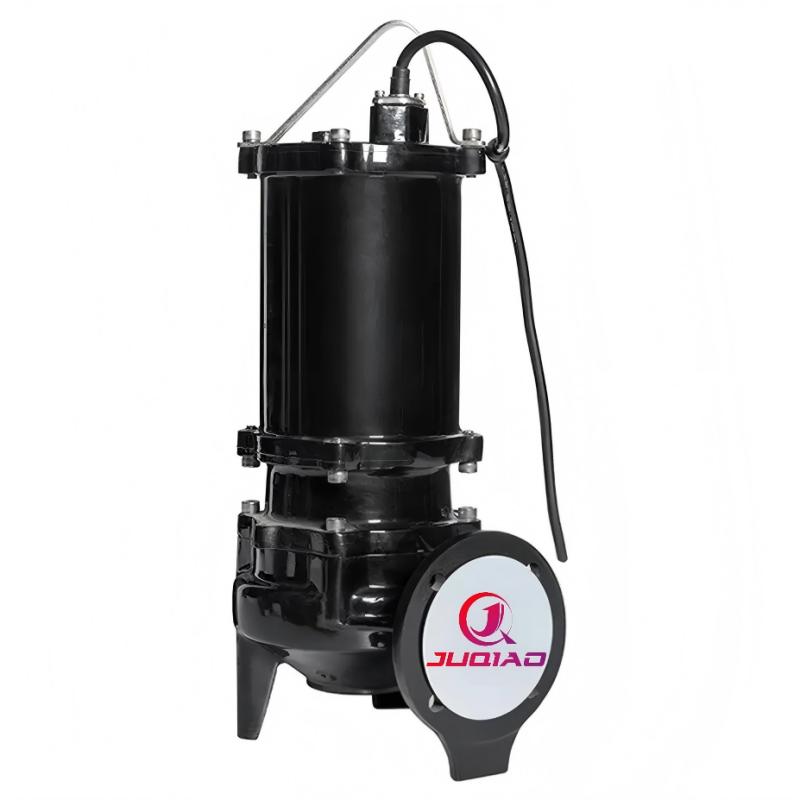
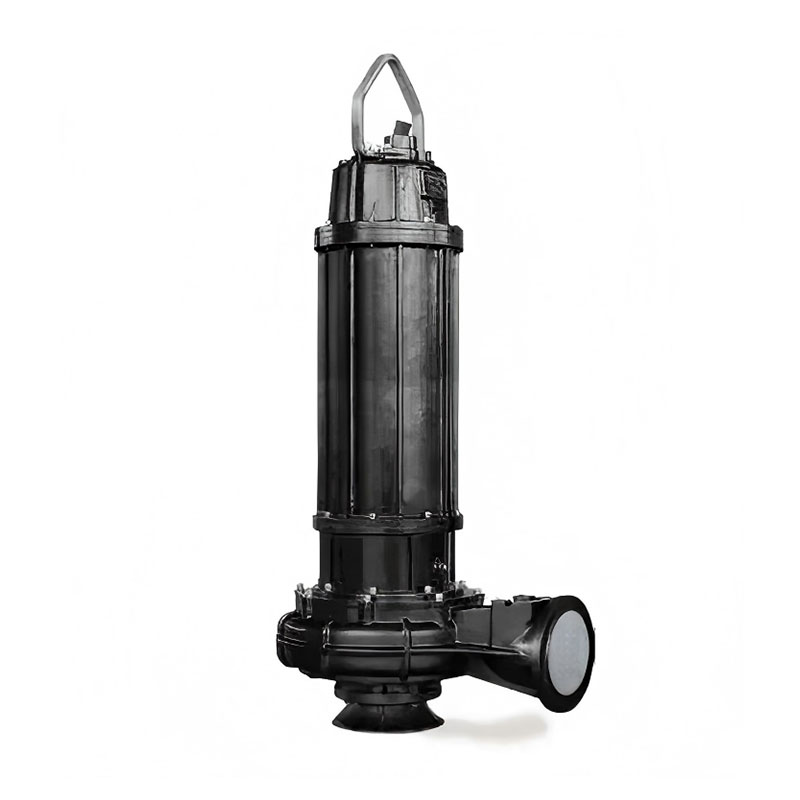
Independent cutting module, good cutting ability, not prone to clogging. If the particles can pass through the suction hole, they will be easily crushed. Transporting lightly contaminated wastewater, cesspools, hospital wastewater and other media containing long and thin fibers. Large particles cannot be transported.
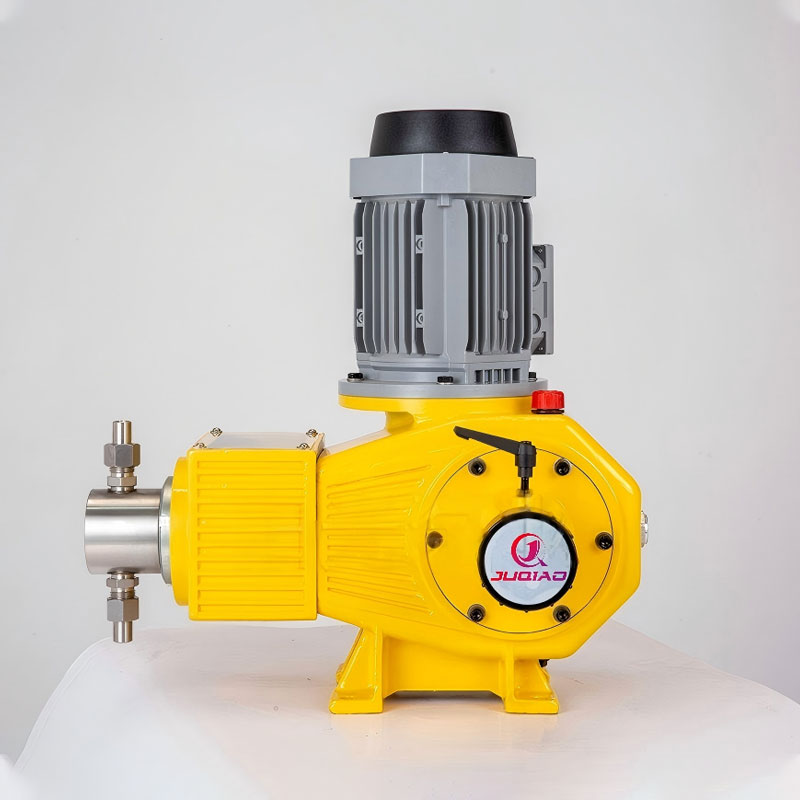
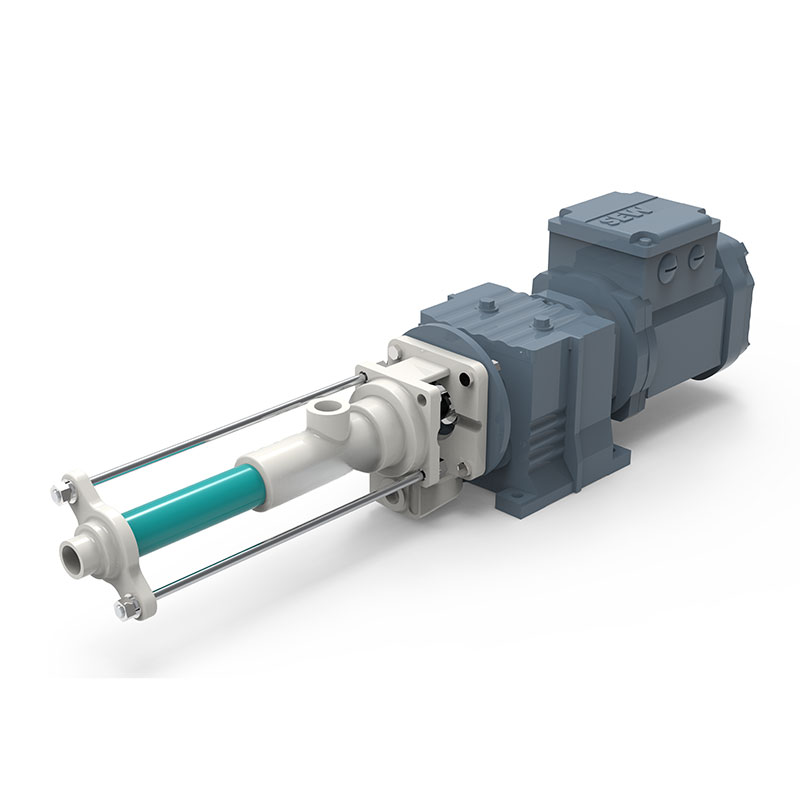
Thanks to the reciprocating movement of the plunger, the working medium is directly sucked in or pumped out. Since the plunger and seal are in direct contact with the fluid, the correct choice of plunger material and seal type will ensure more ideal pump performance during operation.
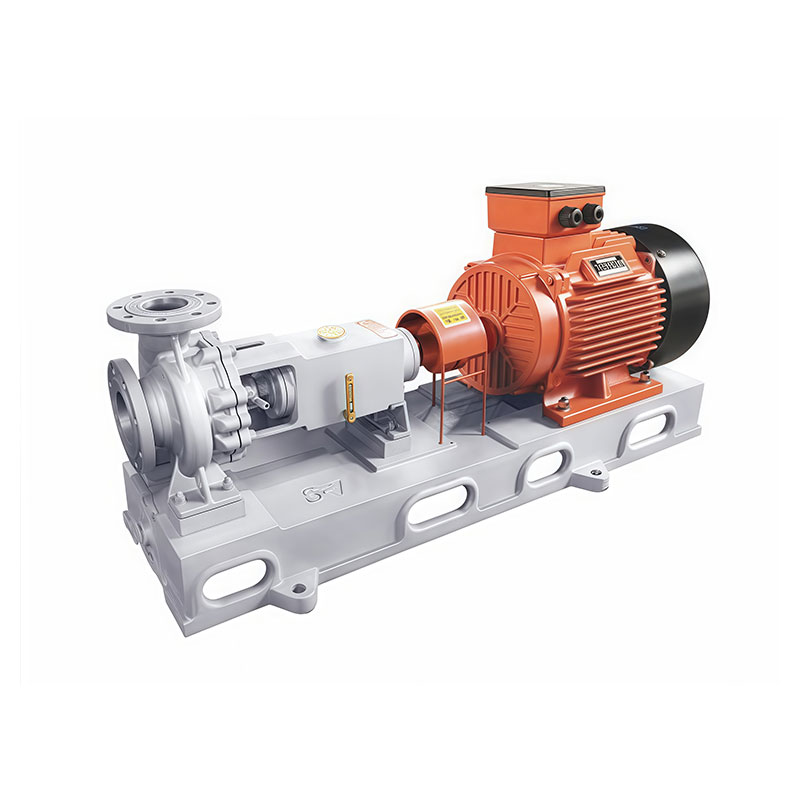
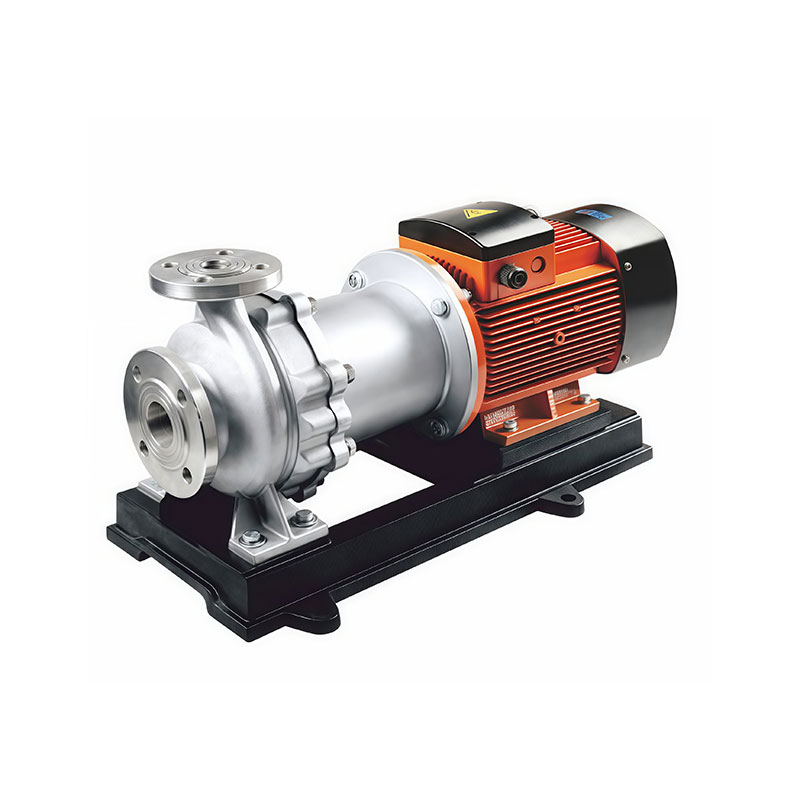
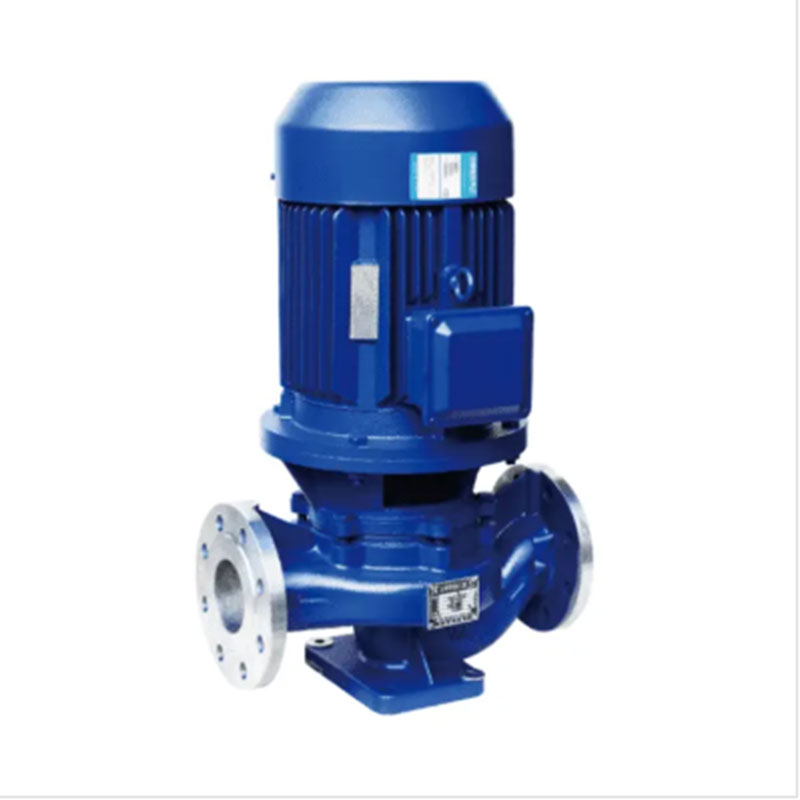
IJ type chemical process pump is a standardized chemical process pump upgraded and improved by our company based on IH pump. This pump adopts a single-stage, single-pass cantilever design, and its operating parameters comply with GB5662-85 standard (equivalent to ISO2858-1975).
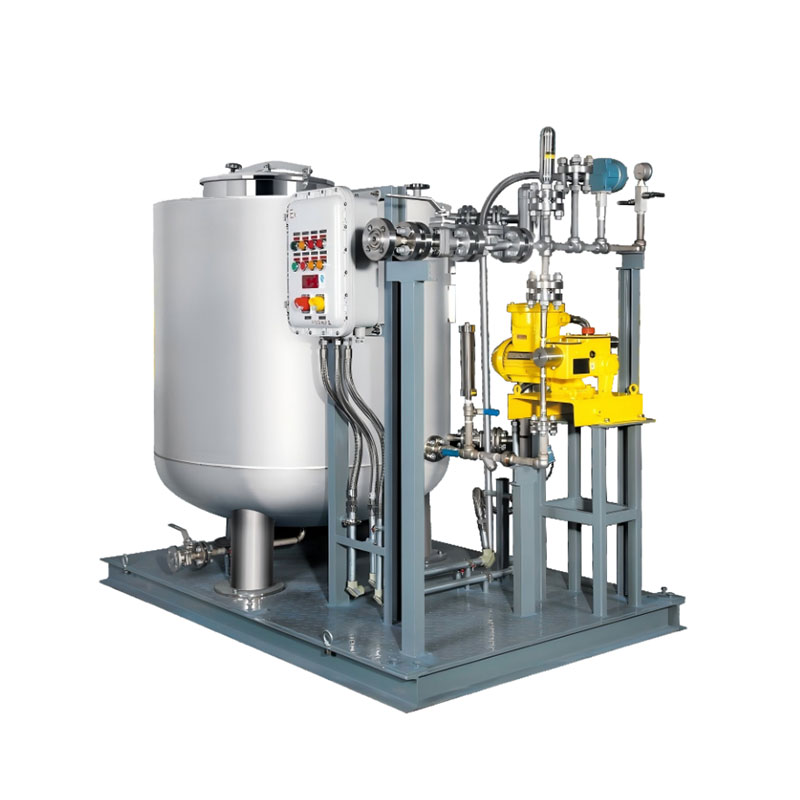
Although reagent dosing plants in the petroleum and petrochemical industries do not directly produce products, they are an indispensable “guardian” and “lubricant” in the entire production chain.
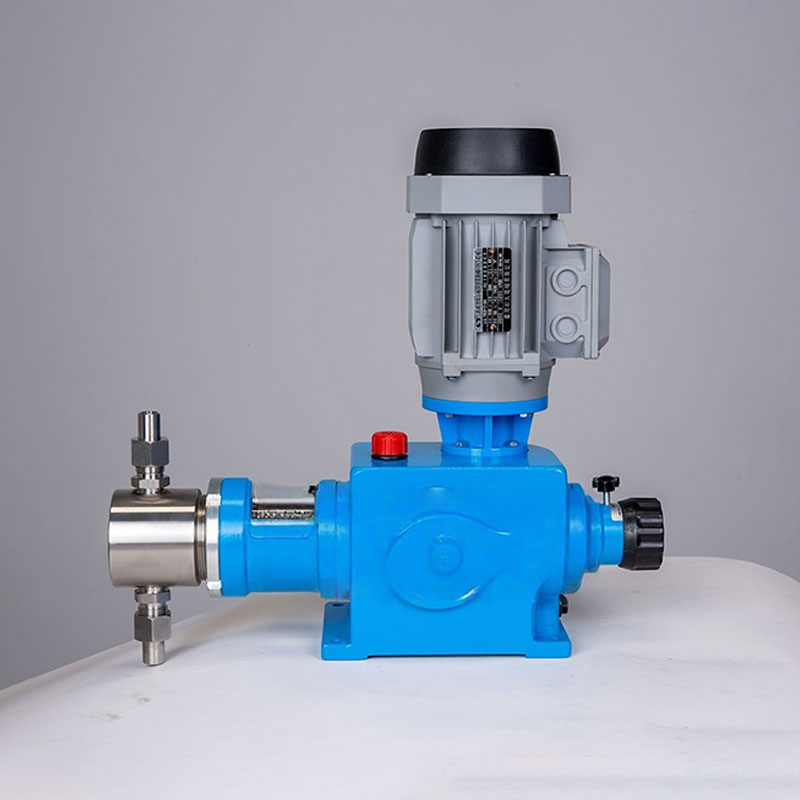
Thanks to the reciprocating movement of the plunger, the working medium is directly sucked in or pumped out. Since the plunger and seal are in direct contact with the fluid, the correct choice of plunger material and seal type will ensure more ideal pump performance during operation.
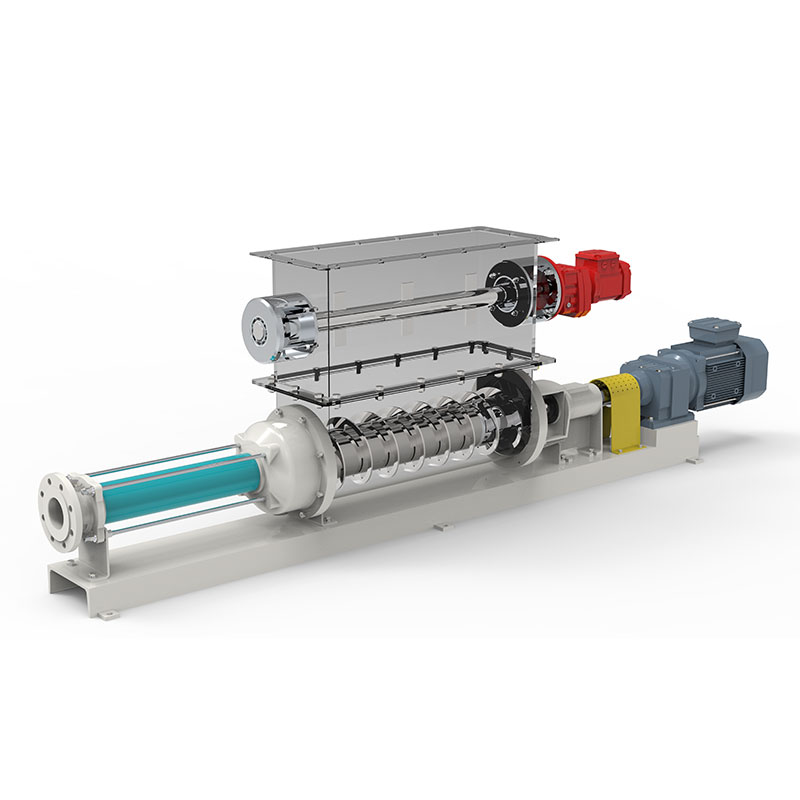
Technical parameters: capacity up to 100 m³/h, pressure up to 48 bar
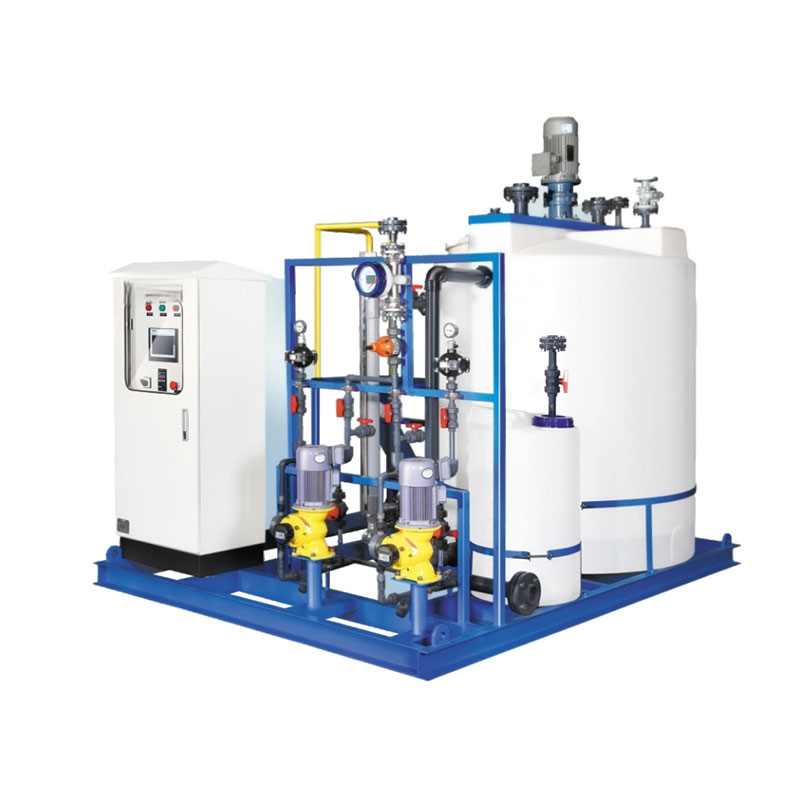
The dosing device, specifically designed for wastewater and sewage treatment, is a critical component of the “accurate dosing and mixing of reagents” in the entire water treatment system. It automatically dispenses specific chemicals into wastewater to achieve physical, chemical or biological treatment goals.
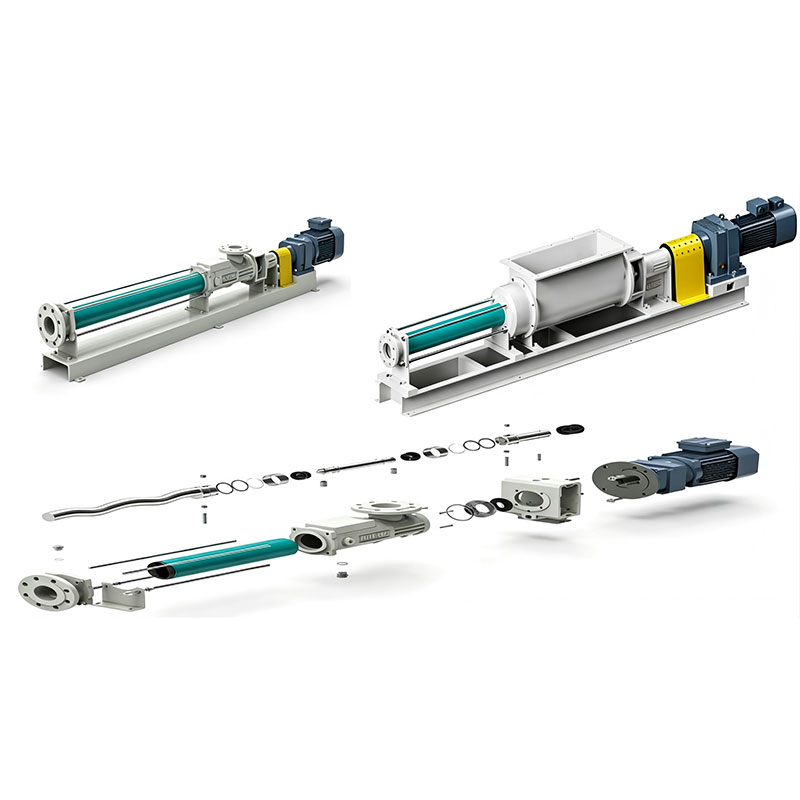
The 3HS25 series high-pressure three-screw pump is designed for use in the machine tool industry and is suitable for pumping various cooling and lubricating materials (coolants, emulsions, cutting fluids, etc.) required for machine tool processing. Provides precise washing, cooling, lubrication, crushing and chip removal of workpieces and tools, extending tool life and improving machine precision.
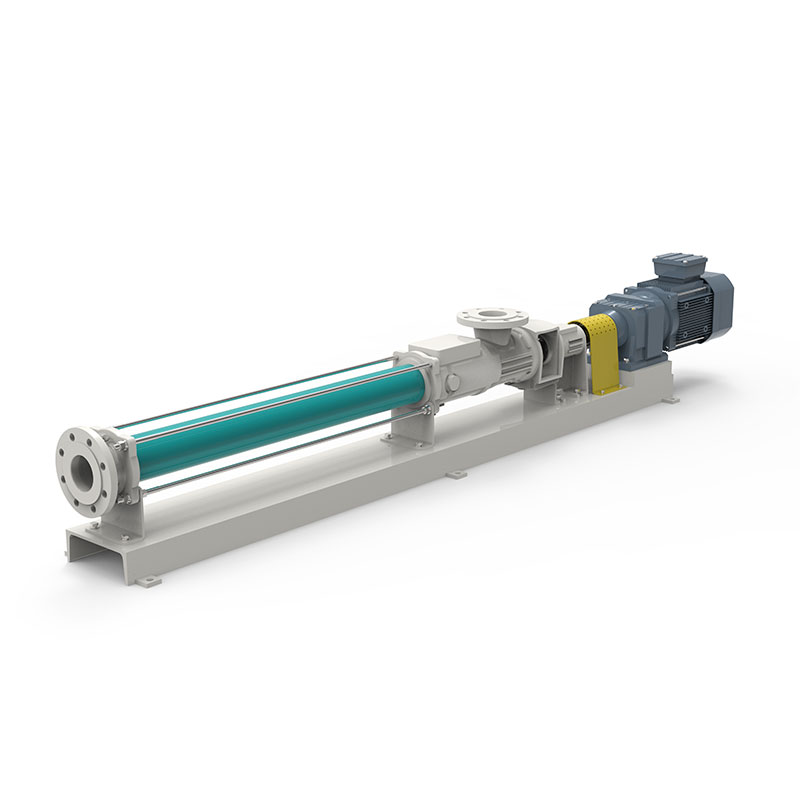
Technical parameters: capacity up to 300 m³/h, pressure up to 48 bar
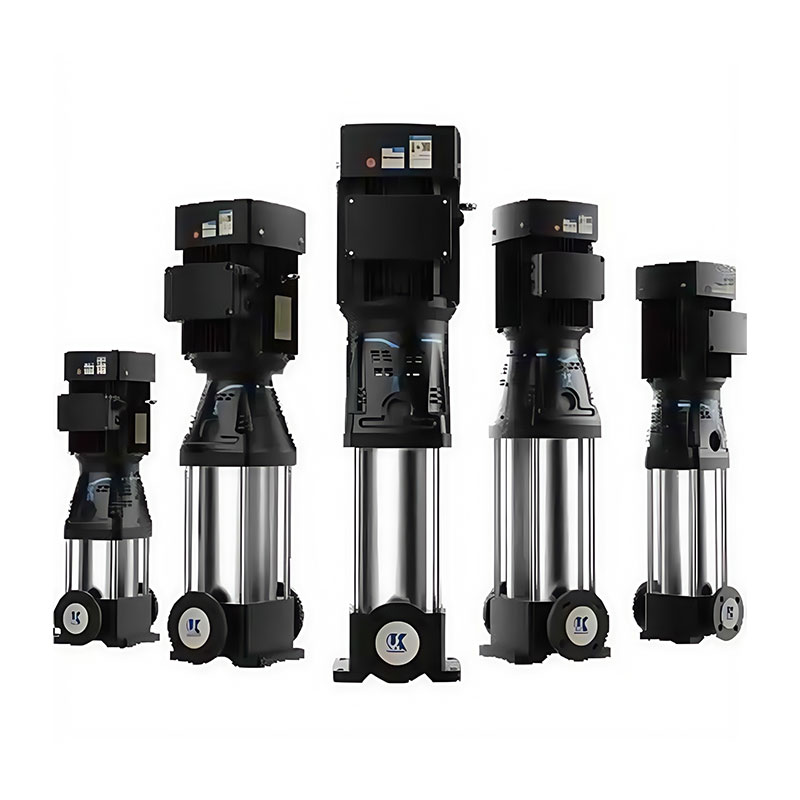
Using the most advanced welding technology, KQDP/KQDQ has high corrosion resistance and high efficiency. Efficiency can be 5-10% higher than cast pumps.
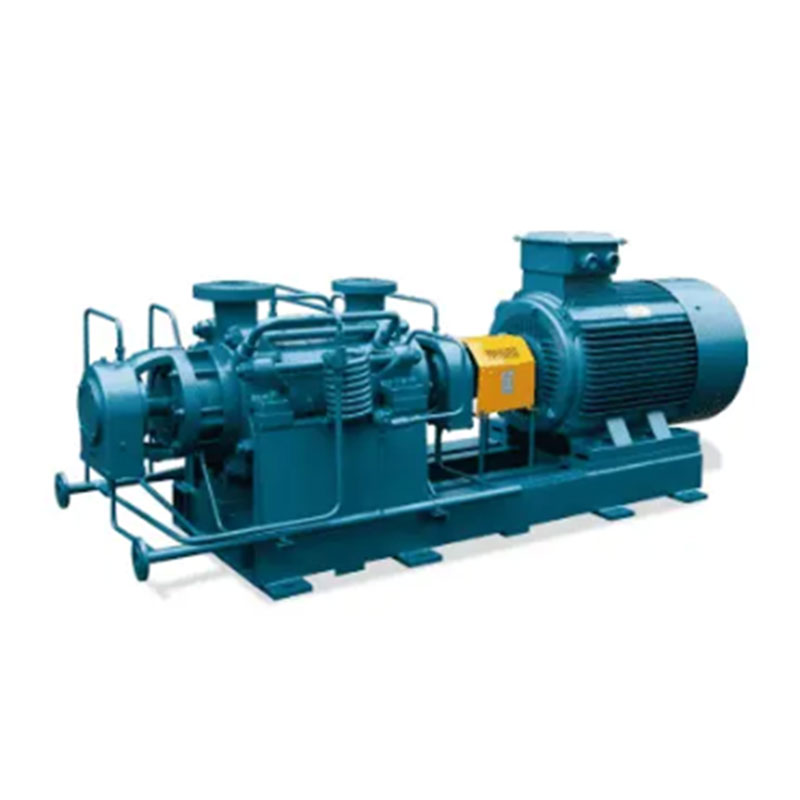
The DG series segmental multistage centrifugal pumps use tension pins to connect the suction section, intermediate sections and discharge section into a single unit.
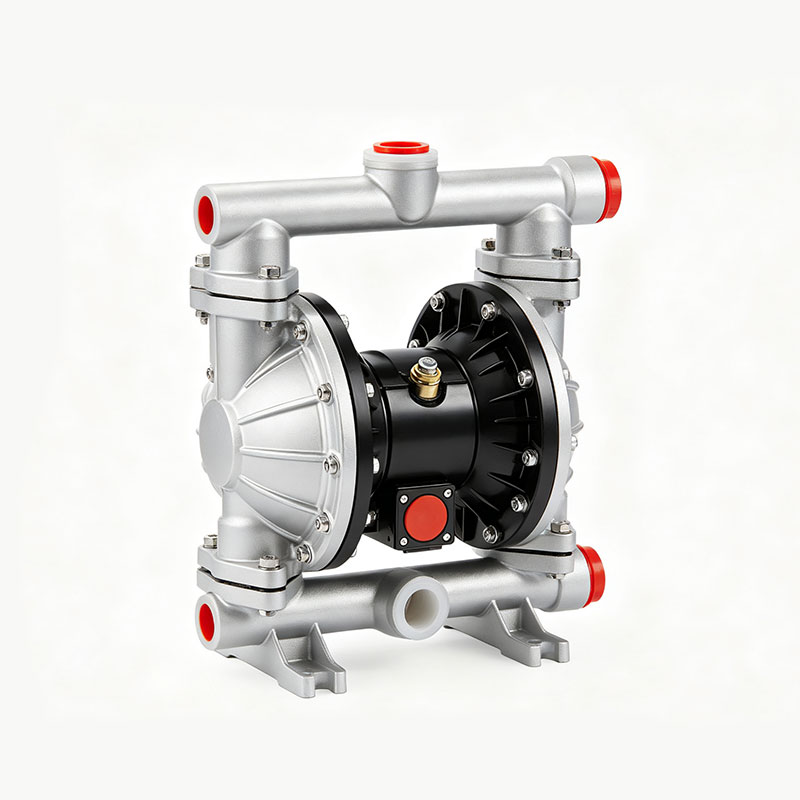
The all-plastic pneumatic diaphragm pump can pump not only fluid liquids, but also transport some non-fluid media. Compared with self-priming pumps, submersible pumps, shielded motor pumps, clay slurry pumps and solids pumps, this model has many advantages.
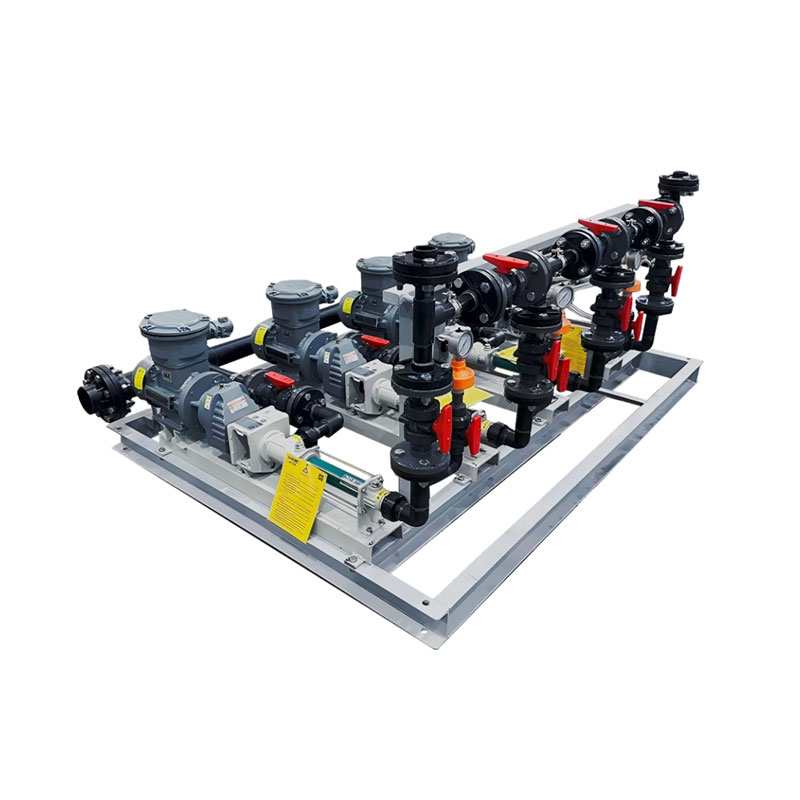
The simple modular dosing unit is a complete plug-and-play dosing device. It is designed, manufactured, assembled and tested at the manufacturing plant in accordance with the customer's technological requirements, and then completely delivered to the site.
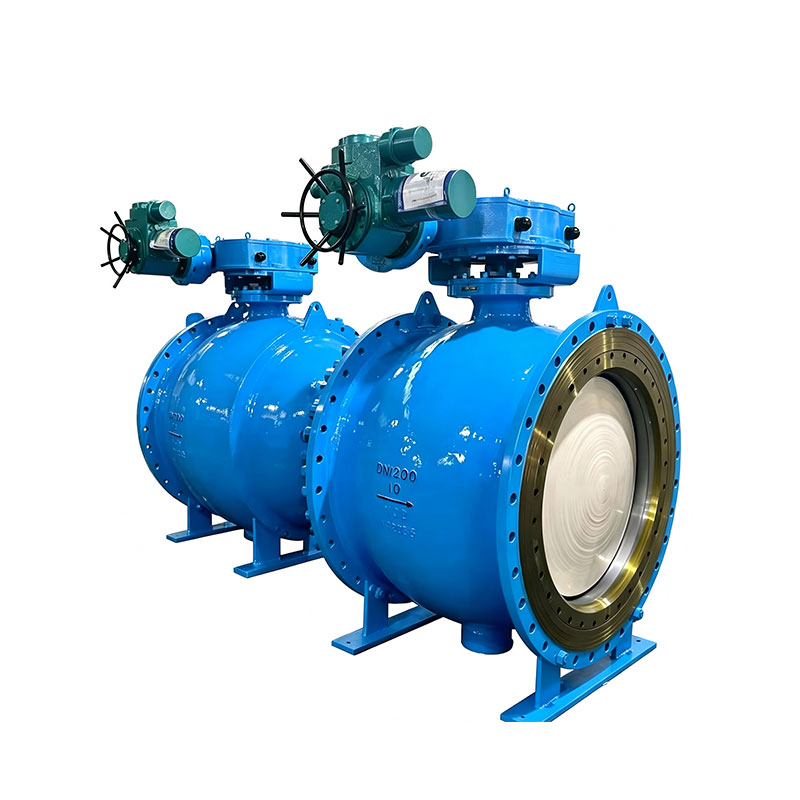
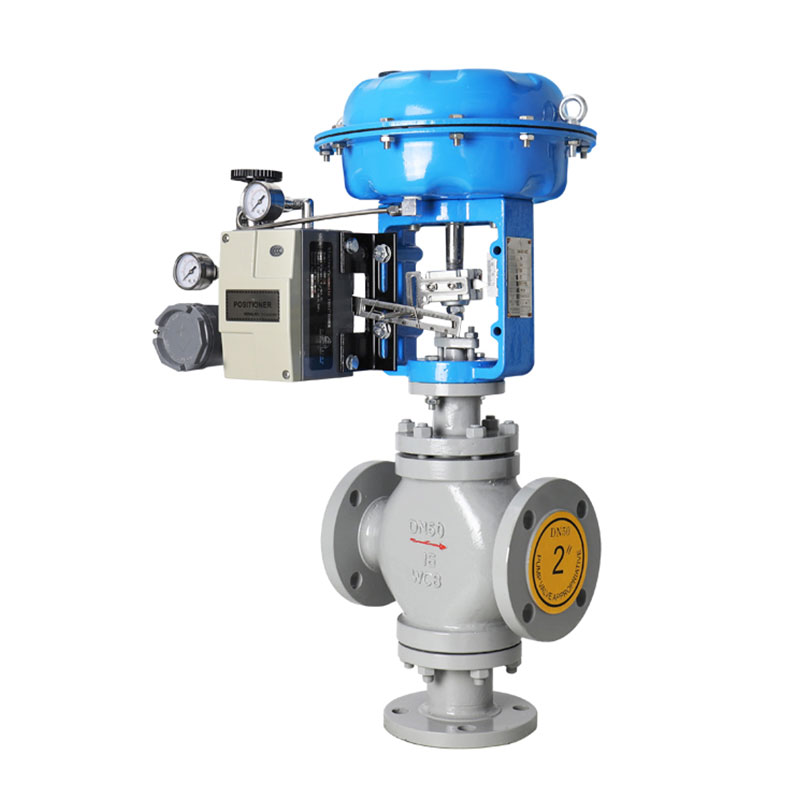
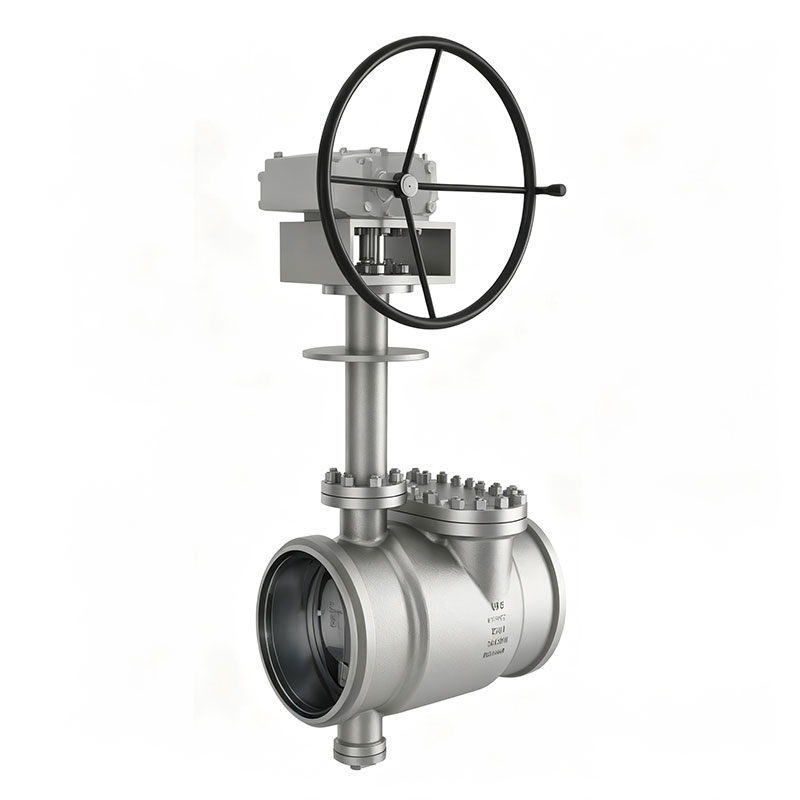
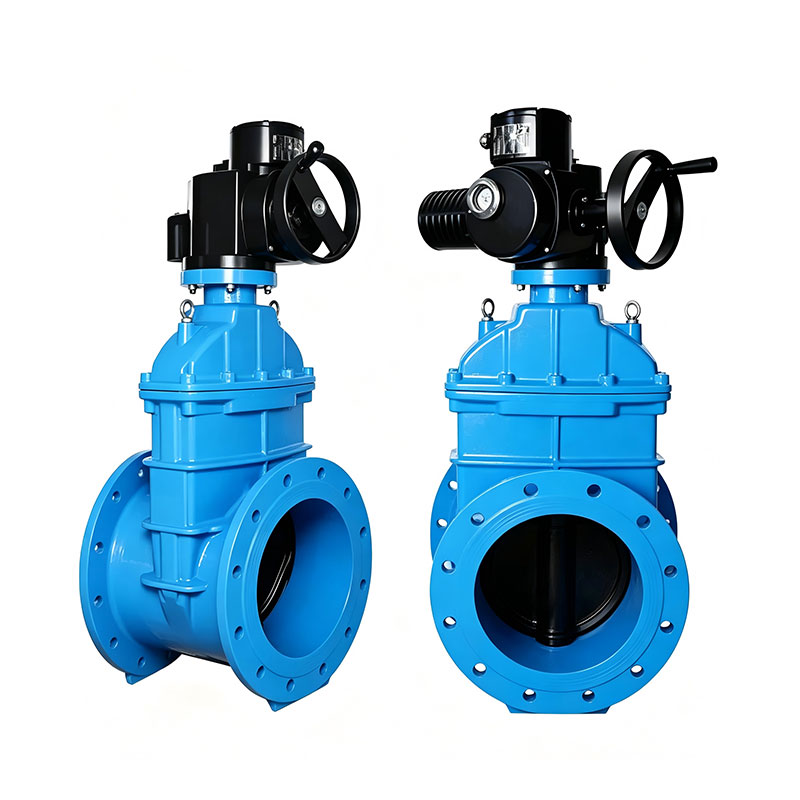
Diameter: DN15–DN1200; Pressure: PN16–PN160, Class150–Class2500; Housing material: WCB, stainless steel 304/316, duplex steel; Connection: flange, threaded, welded, clamp; Drive: manual, pneumatic, electric, hydraulic.
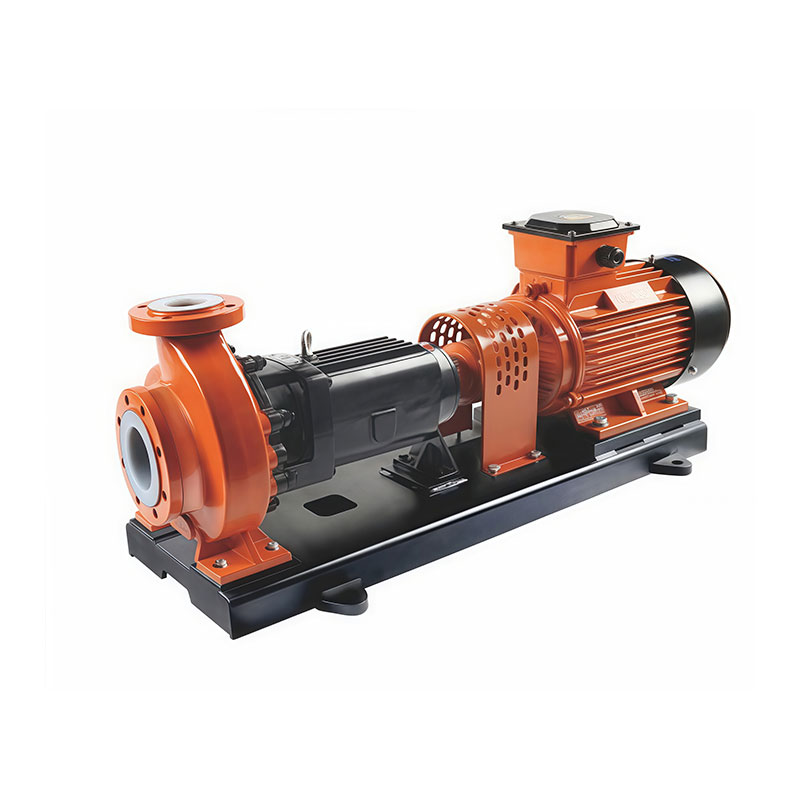
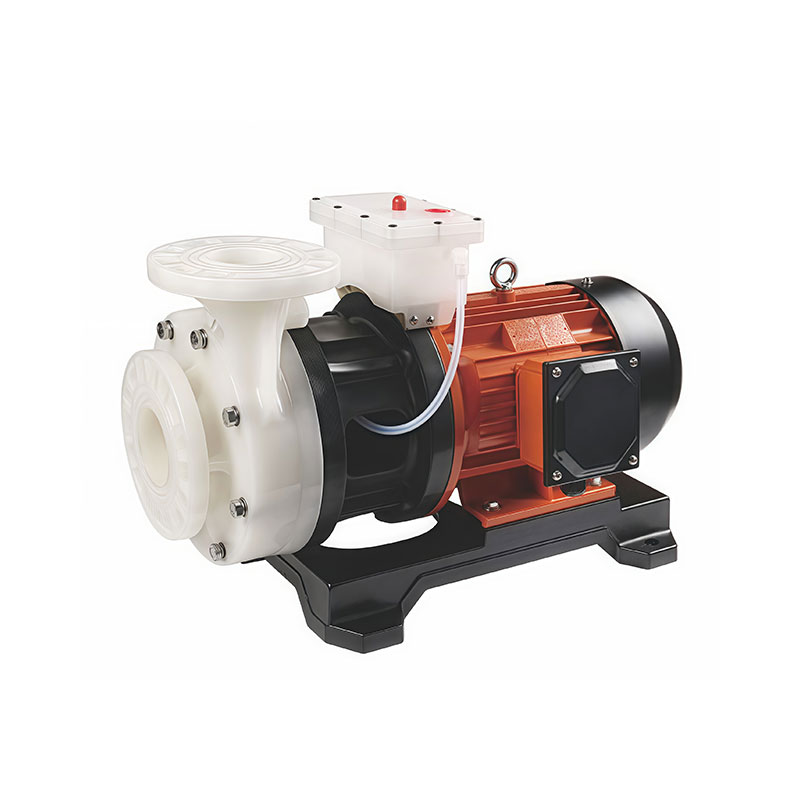
The FSC (single stage, single stroke) PTFE alloy centrifugal chemical pump - hereinafter referred to as "FSC centrifugal pump" - is designed and manufactured in accordance with international standards and based on non-metallic pump technology.
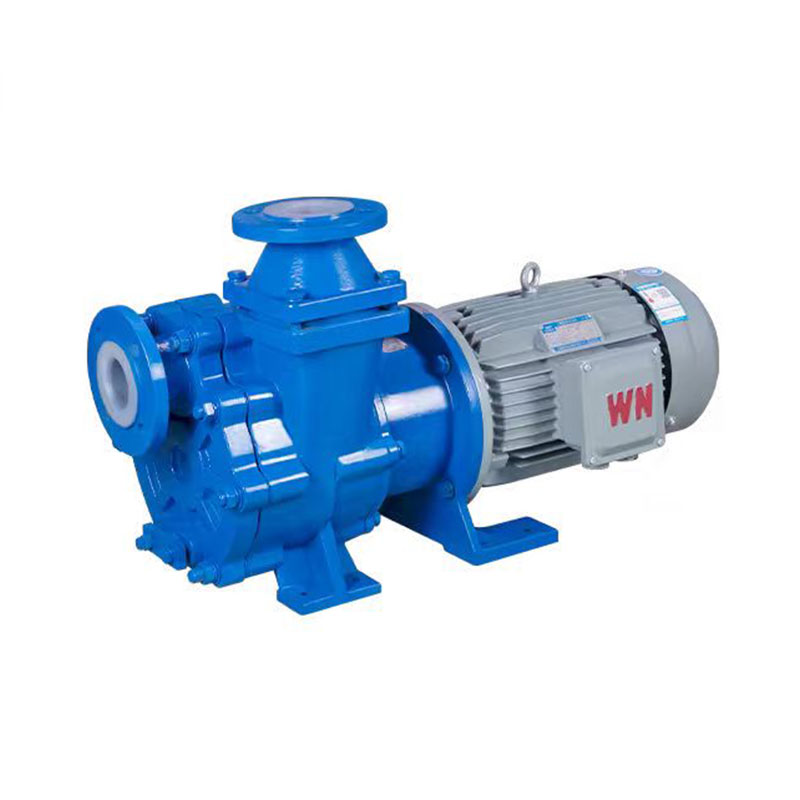
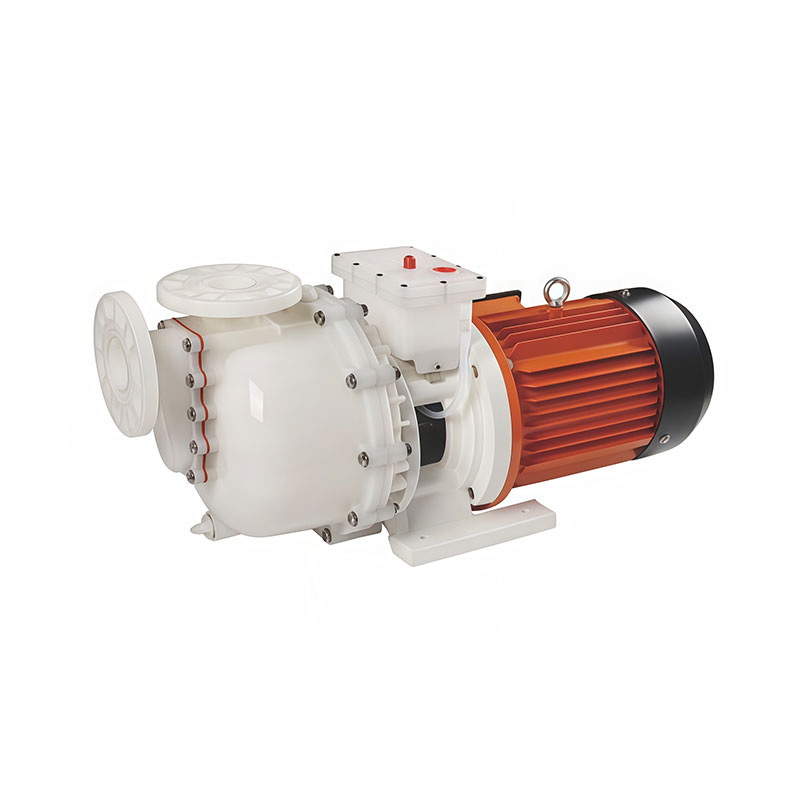
Self-priming magnetic pumps of the ZFT series fully combine the advantages of a magnetic pump and a self-priming pump: they have a self-priming function, but at the same time they do not have a shaft seal, they use transmission through a magnetic coupling, which completely eliminates the phenomenon of drip leaks.