





Hardness ions (calcium, magnesium) in the boiler feed water enter into a chemical reaction at high temperatures or crystallize when the saturation concentration is reached, forming an insoluble scale that adheres tightly to the heated surfaces of the boiler. This scale is a poor conductor of heat and interferes with heat transfer; in severe cases it can lead to rupture of boiler pipes. In addition, it provokes and intensifies chemical corrosion of the metal under the scale layer, which is extremely dangerous. Although the condensate and boiler feed water are thoroughly softened and desalted, small amounts of calcium and magnesium ions still enter the boiler water. If this part of the hardness is not treated, scale will form, posing a threat to the safe operation of the boiler. Currently, the most suitable treatment method is to add phosphates to the boiler water. The reaction proceeds as follows:
10Ca²⁺ + 6PO₄³⁻ + 2OH⁻ = Ca₁₀(PO₄)₆(OH)₂ (basic calcium phosphate)
Basic calcium phosphate is a loose sludge that is easily removed when the boiler is blown down and does not stick to the internal surfaces of the boiler, turning into scale.
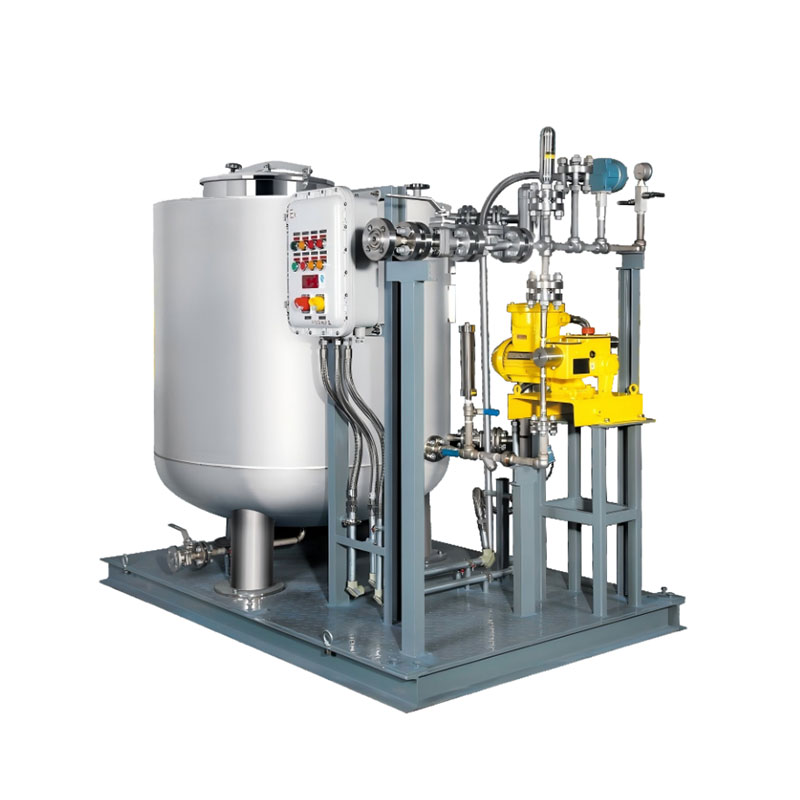
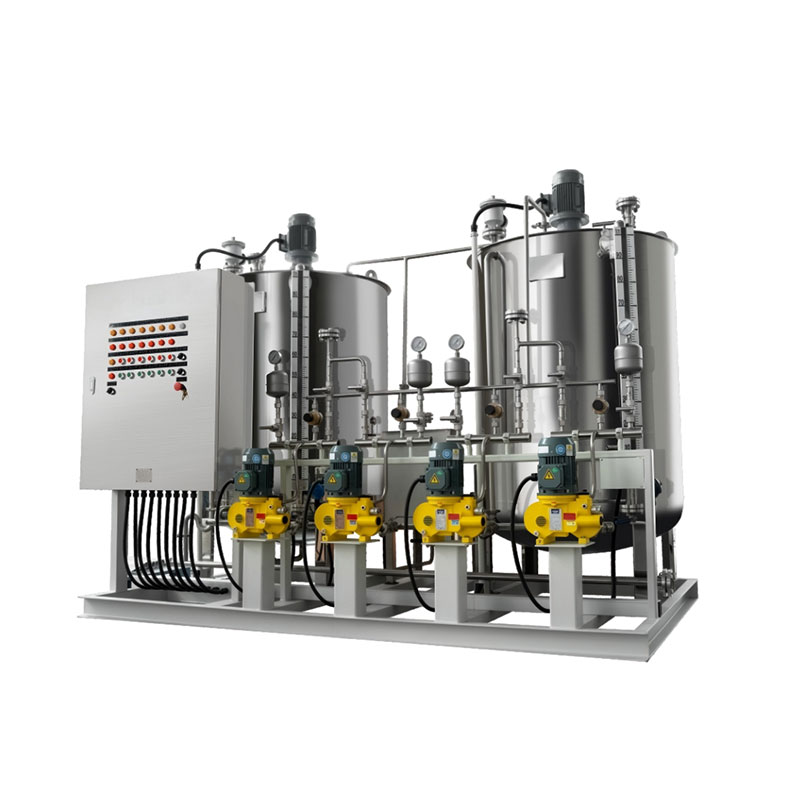
This installation mainly consists of four parts: a reagent solution preparation system, a dosing system, a safety system and a control system.
Solid phosphate is loaded into a tank to dissolve the reagent, then demineralized water or condensate is added in a given proportion, mixed until dissolved, and the dosing system supplies the solution to the boiler drum.
Dosing control can be carried out manually, as well as by a control signal from a higher-level system (tracking control), with half-dosing or automatic dosing. Automatic control is based on the frequency-controlled device receiving external signals: pH, flow rate, phosphate ion content, etc.
Has the following features
1. Safety and stability, large volume of reagent dissolution tank, low energy consumption.
2. Aesthetic appearance, compact structure, small footprint.
3. Ease of use, ease of maintenance, high ability for additional equipment.
◆ Electric power: adding phosphates, hydrazine, etc. into the feed water of power plant boilers to prevent scale formation and corrosion.
◆Applicable systems: Widely used in power plant feedwater and condensate water systems, as well as water recycling systems, ensuring stable water quality and safe operation of equipment.
Review
JY series dosing equipment is designed to meet the needs of the market and customers, as well as to provide production automation in such fields as petroleum, chemical, oil refining, gas production, water supply, thermal power, pharmaceuticals, food processing and others. It uses advanced technology and production processes from the United States, Germany, Japan and other countries, strictly in accordance with the requirements of technological standards and taking into account the actual conditions of China.
JY series dosing equipment is characterized by completeness, advanced technology, high degree of automation, convenient operation, easy maintenance, and the ability to meet the needs of various operating modes. Custom products can also be designed and manufactured to meet specific user requirements.
JY series dosing devices are widely used for dosing reagents in boiler water (ammonia, hydrazine, phosphates), dosing into source water (flocculants, coagulants, acids, alkalis, etc.), dosing into circulating water (corrosion inhibitors, scale inhibitors, fungicides, concentrated sulfuric acid, alkaline solutions, etc.), for chemical additives in oil and gas fields, waste and sewage water treatment, as well as in other operating modes.
The JY series dosing device consists of a solution tank, stirrer, level indicator, dosing pump, filter, damper (buffer), safety valve, various types of fittings, electrical control part, common base with platform and ladder, and pipeline fittings.
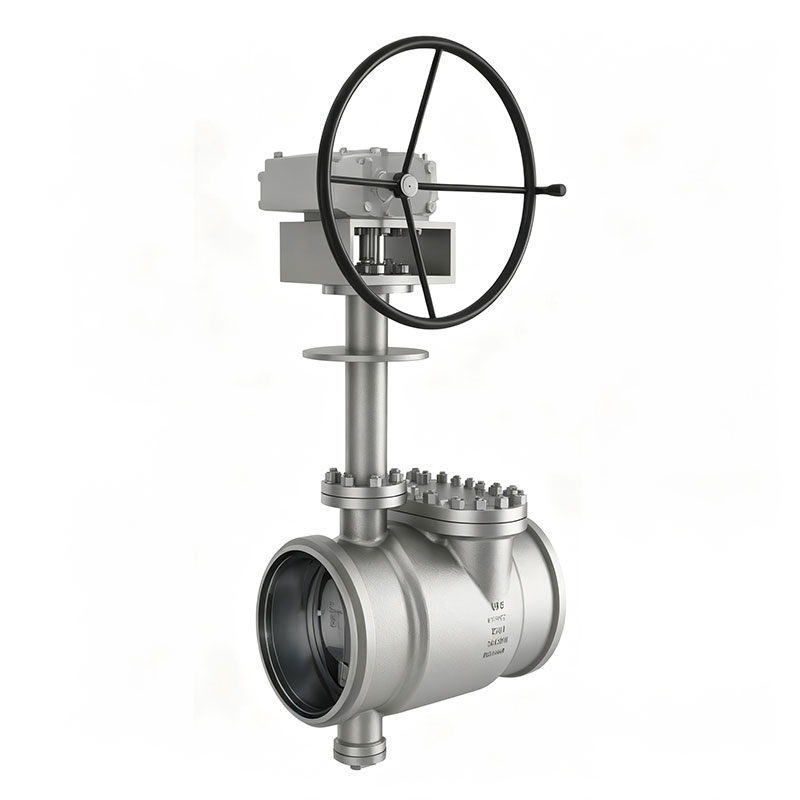
Check valve
Complete dispensing devices include the following three categories: simple dispensing device, integrated dispensing device, separate dispensing device.
Simple dosing device
The simple dosing device is equipped with a small dosing pump, stirrer, level sensor and other accessories. All of them are directly installed on the dosing barrel. Thanks to its flexible configuration, small footprint and high efficiency, it is very suitable for use in small dosages. Optional accessories: injection valve, pulsation damper, back pressure valve, control cabinet, etc.
Integrated dosing device
An integrated dosing device means installation in a single unit, that is, the solution tank, agitator, level gauge, dosing pump, control cabinet, ladder platform and other accessories (such as safety valves, dampers, check valves, etc.) are all installed on one channel base.
The metering device combination covers various types, such as "one tank - one pump", "one tank - two pumps", "two tanks - two pumps", "two tanks - three pumps", "two tanks - four pumps", as well as multi-tank configurations with pumps, etc.
Based on the control method, a basic type and an intellectual type are distinguished. The basic type is an open ramp dosing system. The necessary accessories can be selected to ensure more accurate dosing.
Intelligent dosing control system means open-loop control to achieve a fixed proportion. It can also realize closed-loop automatic control based on the set parameter signal and communicate with the superior computer (host computer).
Advantages of an integrated dosing device
1. Aesthetic appearance, varied design, flexible configuration.
2. Stable performance, compact structure, small footprint.
3. Ease of use, high ability to combine.
4. Wide functionality, large selection of accessories, flexible expansion of functions.
5. Ability to design specific dosing system based on user requirements.
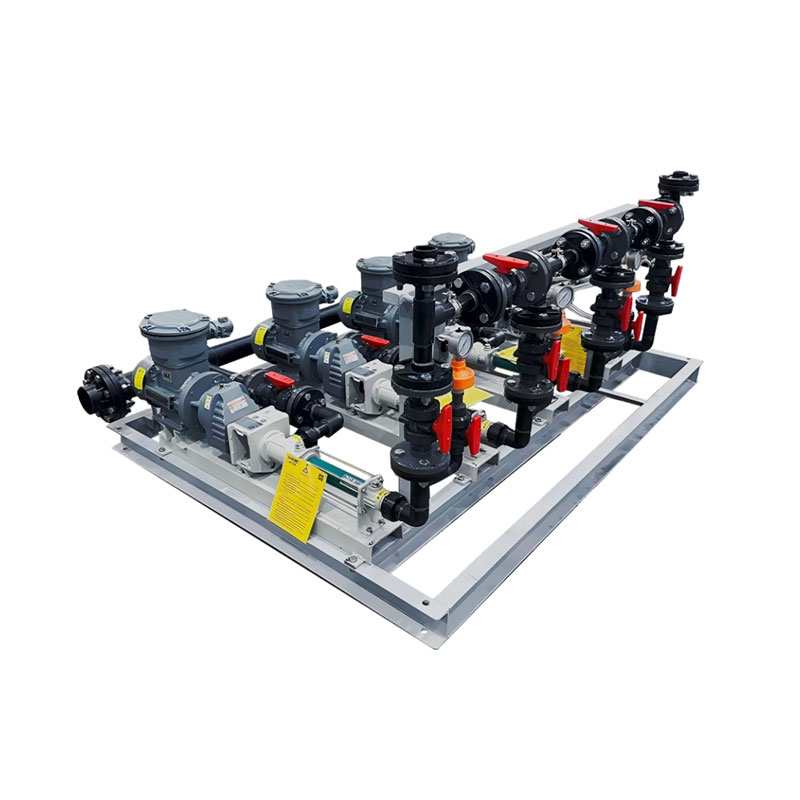
Separate dosing device
The separate dosing device is used in some special conditions, such as large dosing volume, specific dosing medium, when it is inconvenient to combine the solution tank and dosing pump in one unit. If the customer has a large solution tank, the dosing pump unit should be installed separately from the solution tank, and then its inlet should be connected by a pipe to the solution tank outlet. Such a device is called a split dosing device. The solution tank may be a large polyethylene container, a stainless steel container, or a cement tank, etc. The pump dosing unit is determined by the number of dosing points, usually it is a single-pump type, a two-pump type (one working, one standby), a three-pump type (two working, one standby), a four-pump type (two working, two standby). The base of the pump dosing unit is made of high-strength channel. The pipeline is secured using brackets and is characterized by its small footprint and rational design.
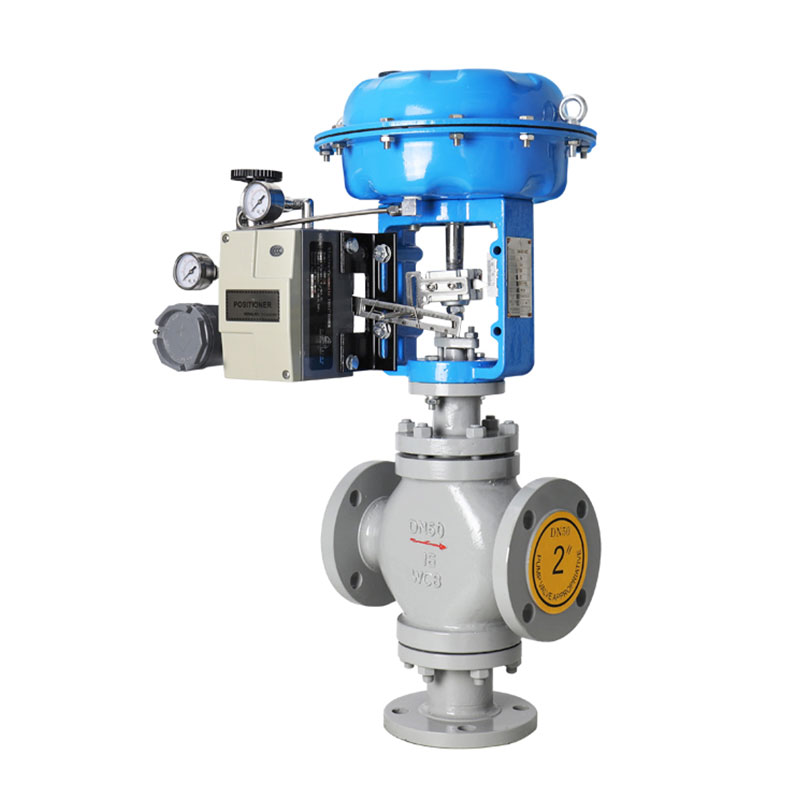
DN20–DN600; PN16–PN160, Class150–Class900; WCB Housing, 304,316; flange/welded connection; membrane pneumatic or electric drive.
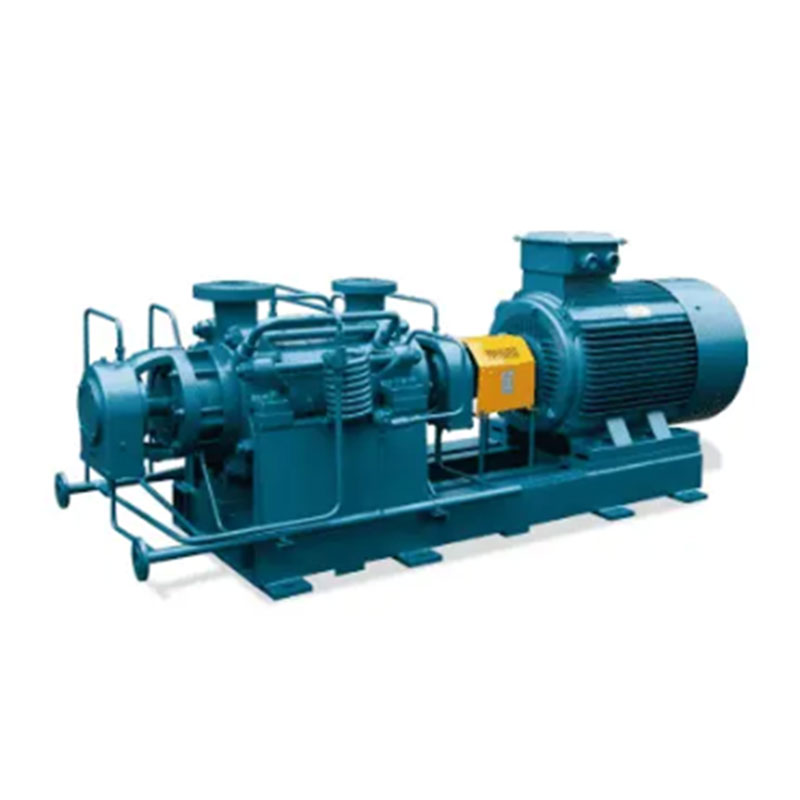
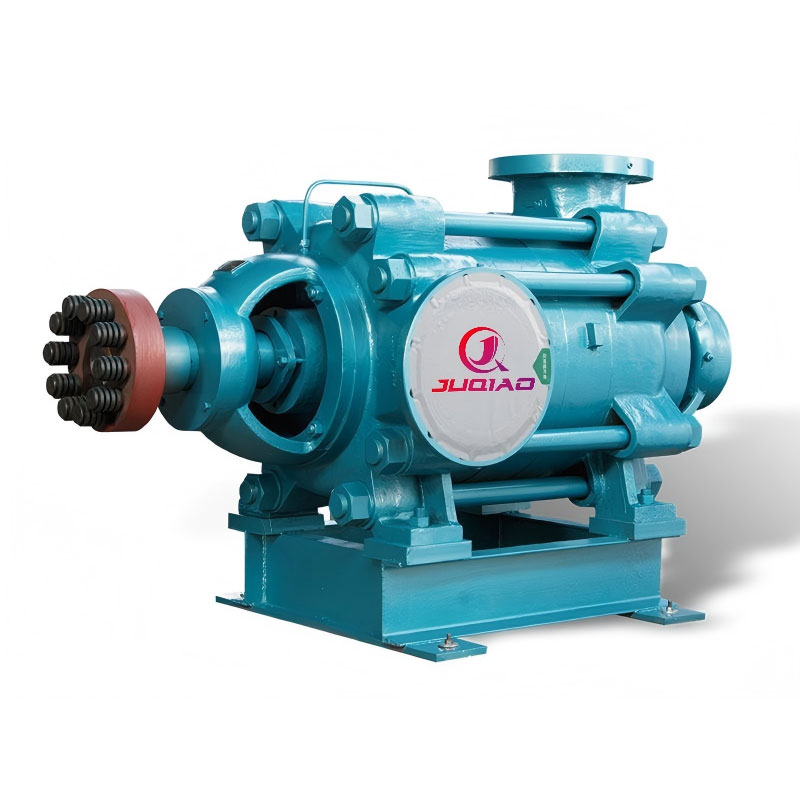
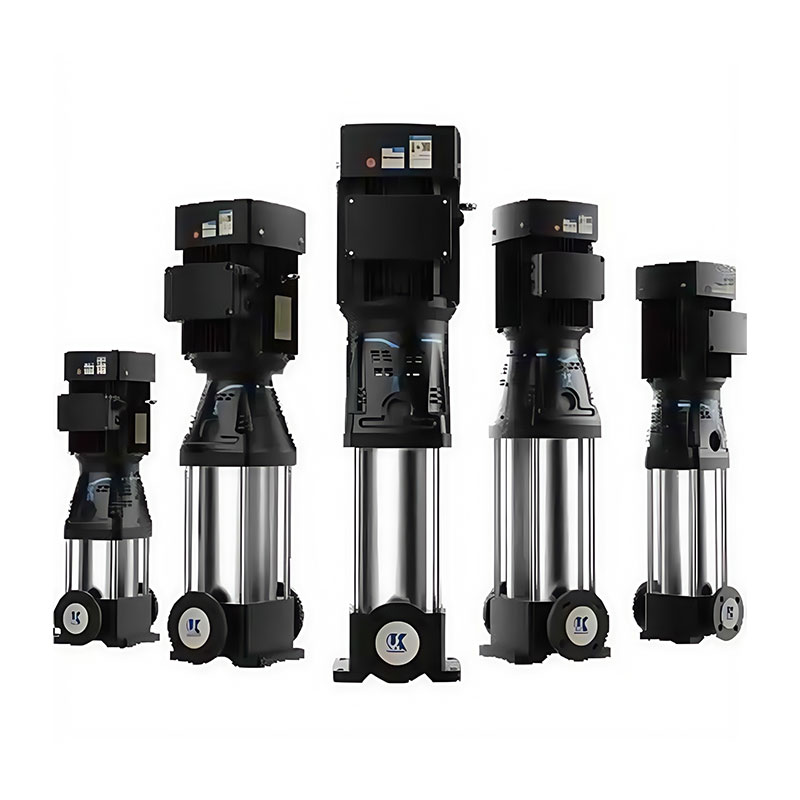
The DG series segmental multistage centrifugal pumps use tension pins to connect the suction section, intermediate sections and discharge section into a single unit.
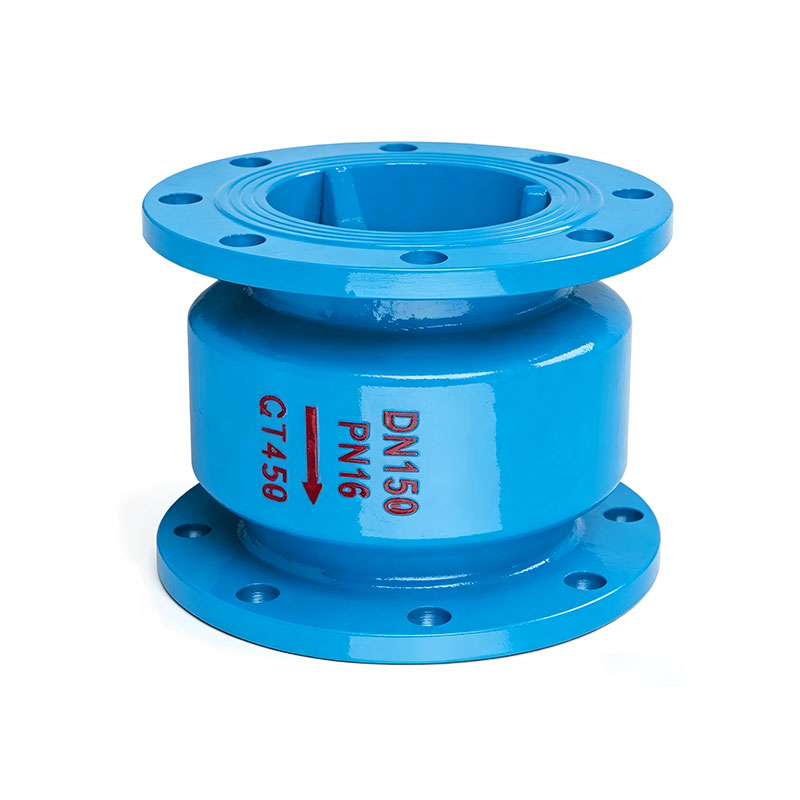
DN15–DN1800; PN10–PN320, Class150–Class1500; carbon steel, stainless steel, cast iron; flange, thread, welding; rotary, lifting, disk types.
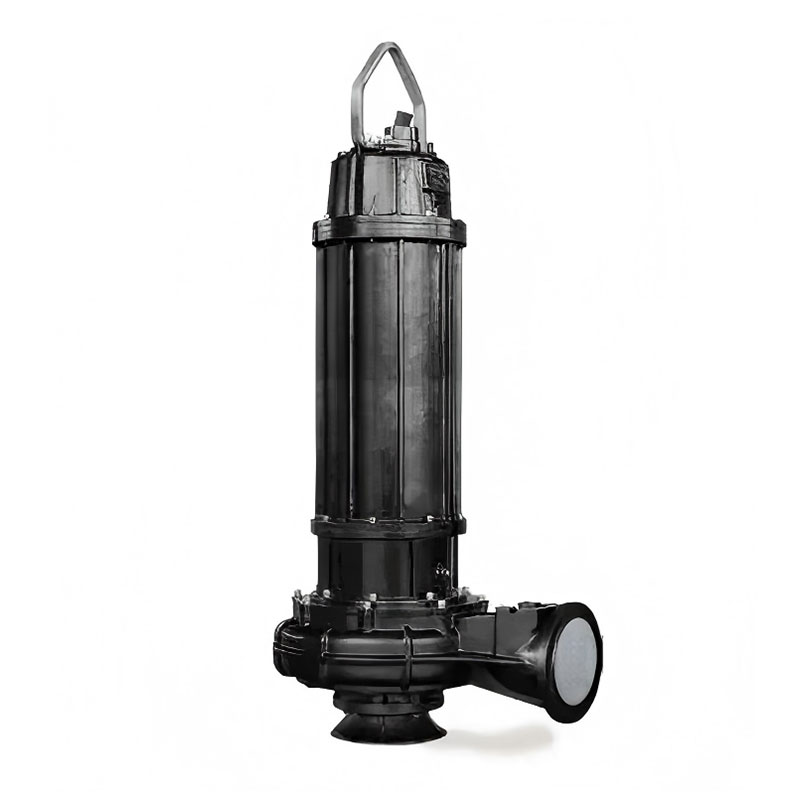
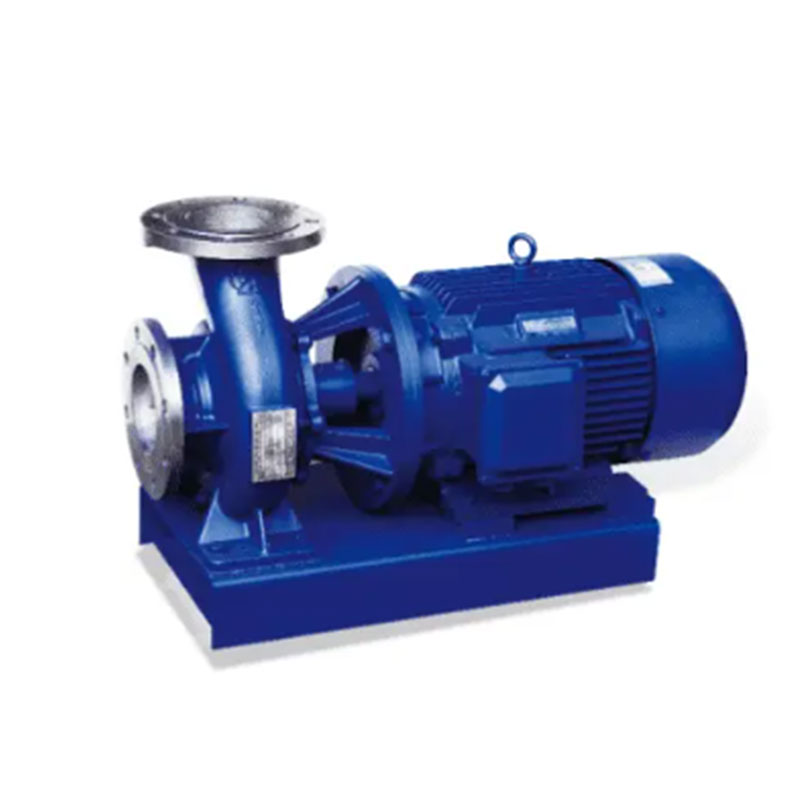
Can pump clean water and slightly contaminated water with temperatures up to 40°C and pH 4–10; the maximum diameter of passing particles is 100 mm.
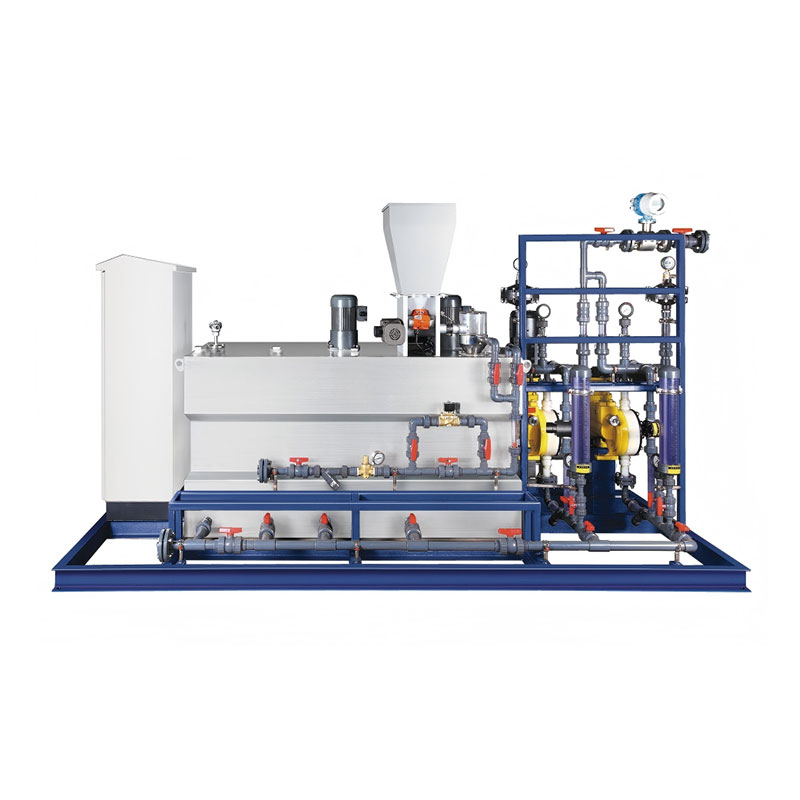
An automated system of equipment for accurately dosing certain chemical reagents into the water being treated (“source water”). The main task is “accurate, continuous, automatic” dosing of reagents, replacing the unstable and ineffective manual method.
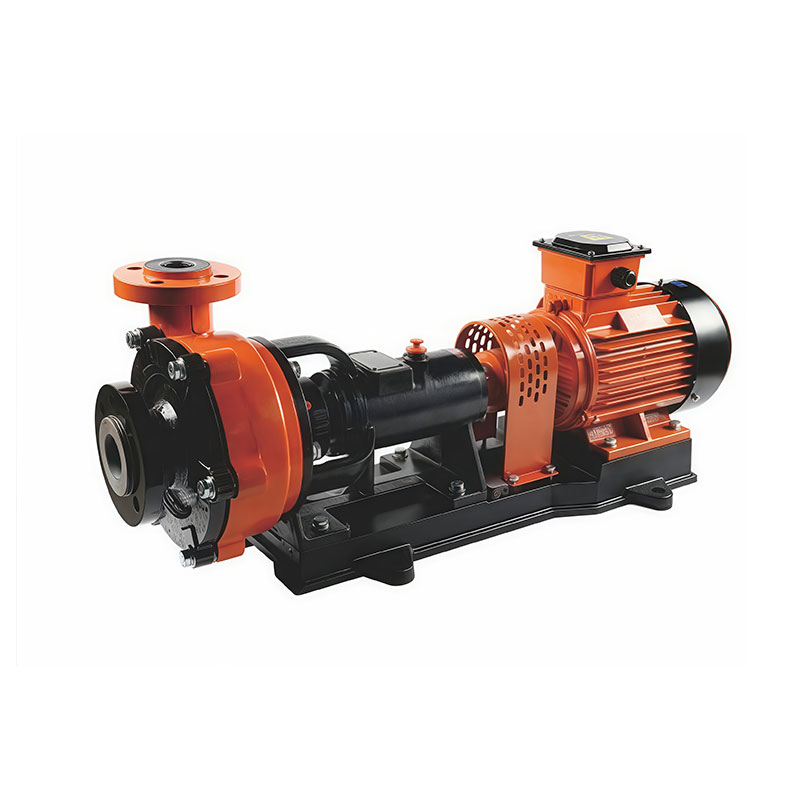
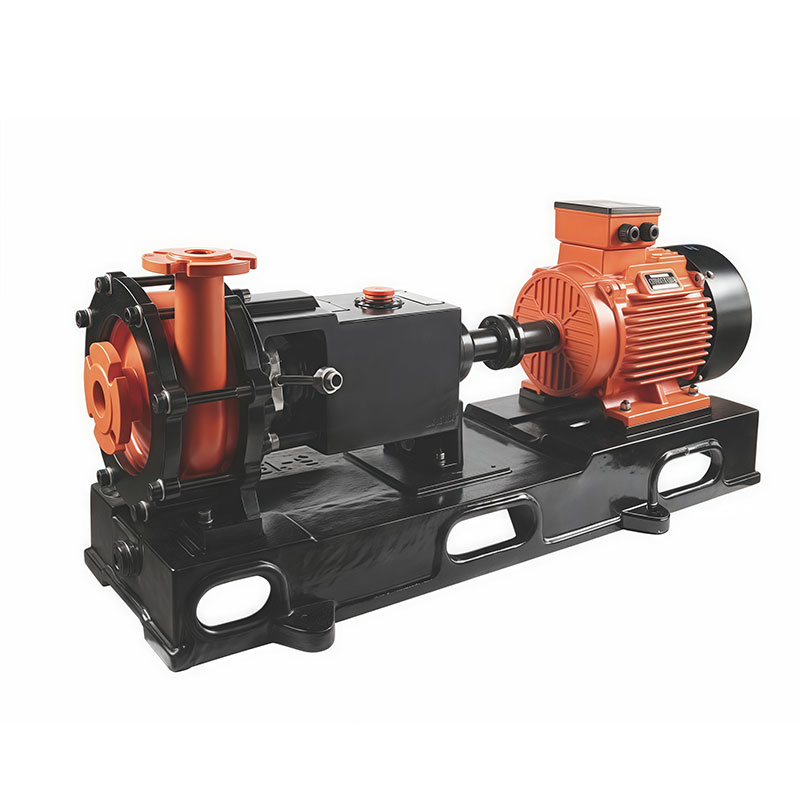
The RUB Corrosion and Wear Resistant Slurry Pump is a cantilever, single stage, single stroke centrifugal pump specifically designed for pumping corrosive media containing fine solids.
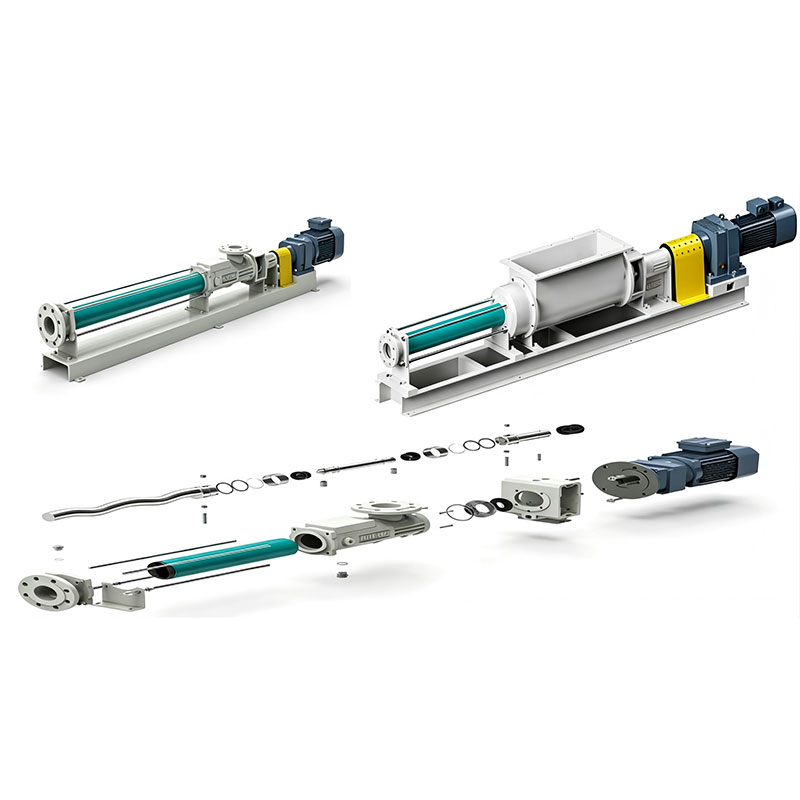
The 3HS25 series high-pressure three-screw pump is designed for use in the machine tool industry and is suitable for pumping various cooling and lubricating materials (coolants, emulsions, cutting fluids, etc.) required for machine tool processing. Provides precise washing, cooling, lubrication, crushing and chip removal of workpieces and tools, extending tool life and improving machine precision.
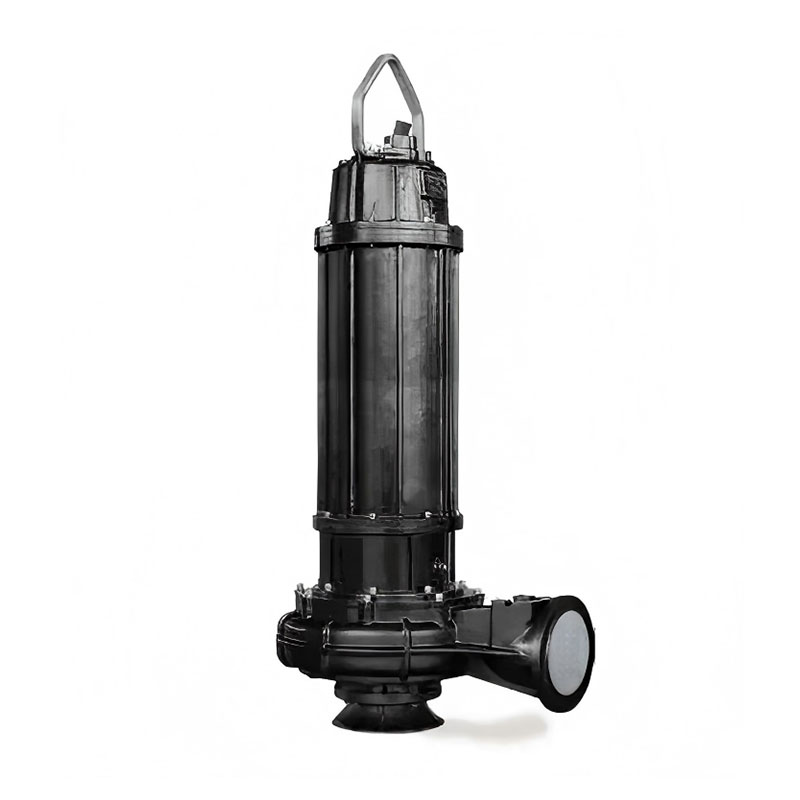
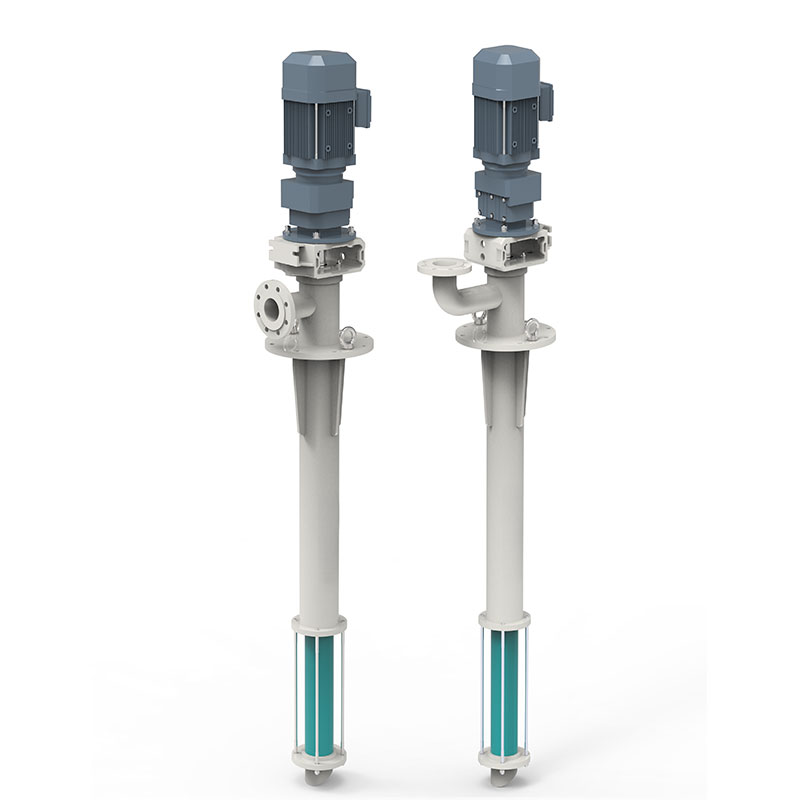
CAD technology is used to redesign the design multiple times to ensure that the submersible pump body and impeller are perfectly matched, allowing fibers and debris to pass through easily without becoming tangled or clogged.
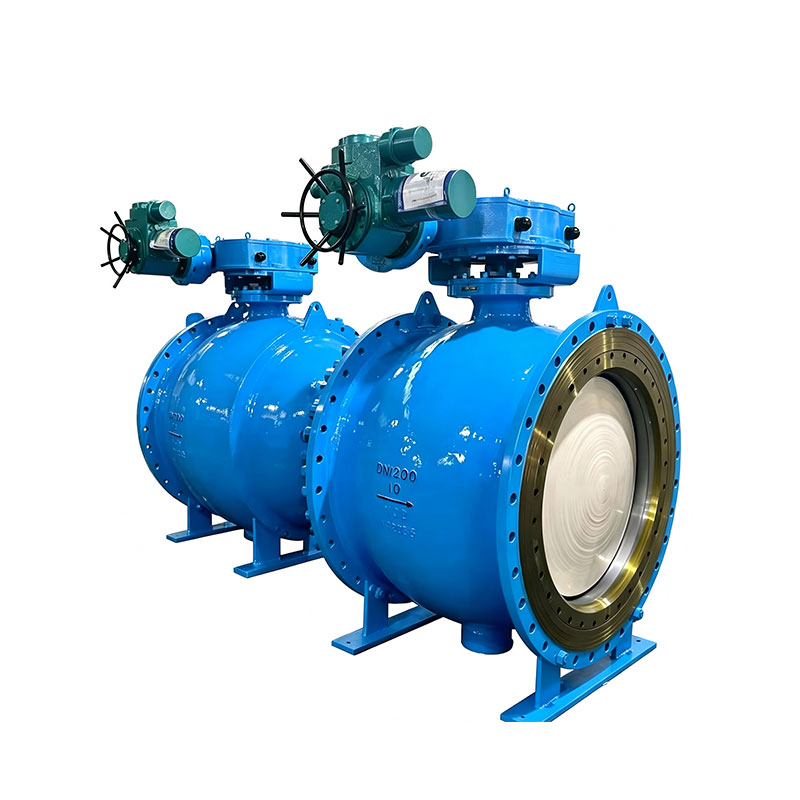
Diameter: DN15–DN1200; Pressure: PN16–PN160, Class150–Class2500; Housing material: WCB, stainless steel 304/316, duplex steel; Connection: flange, threaded, welded, clamp; Drive: manual, pneumatic, electric, hydraulic.
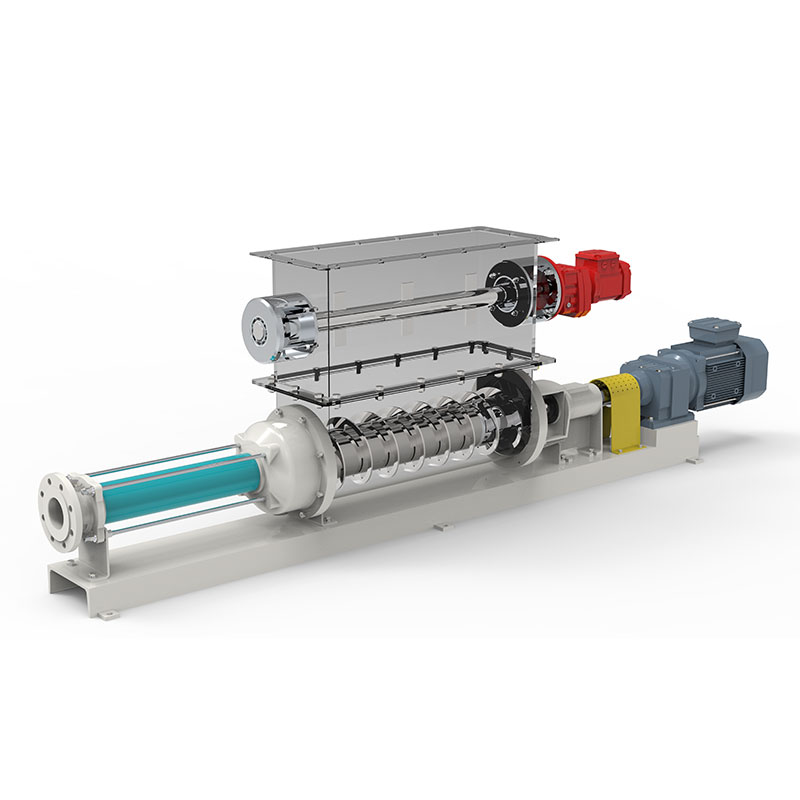
Technical parameters: capacity up to 100 m³/h, pressure up to 48 bar
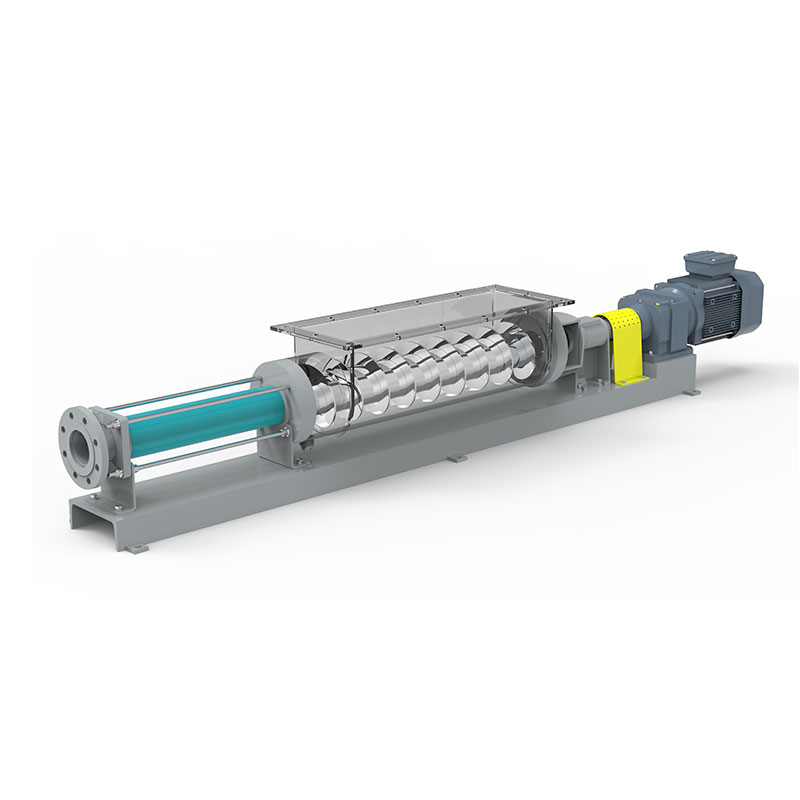
Technical parameters: capacity up to 100 m³/h, pressure up to 48 bar
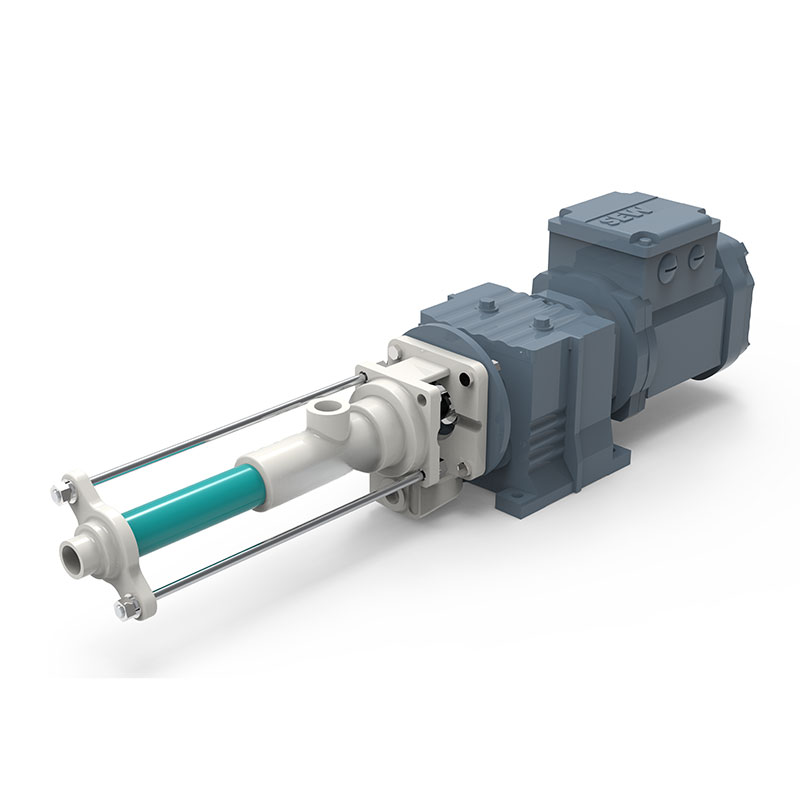
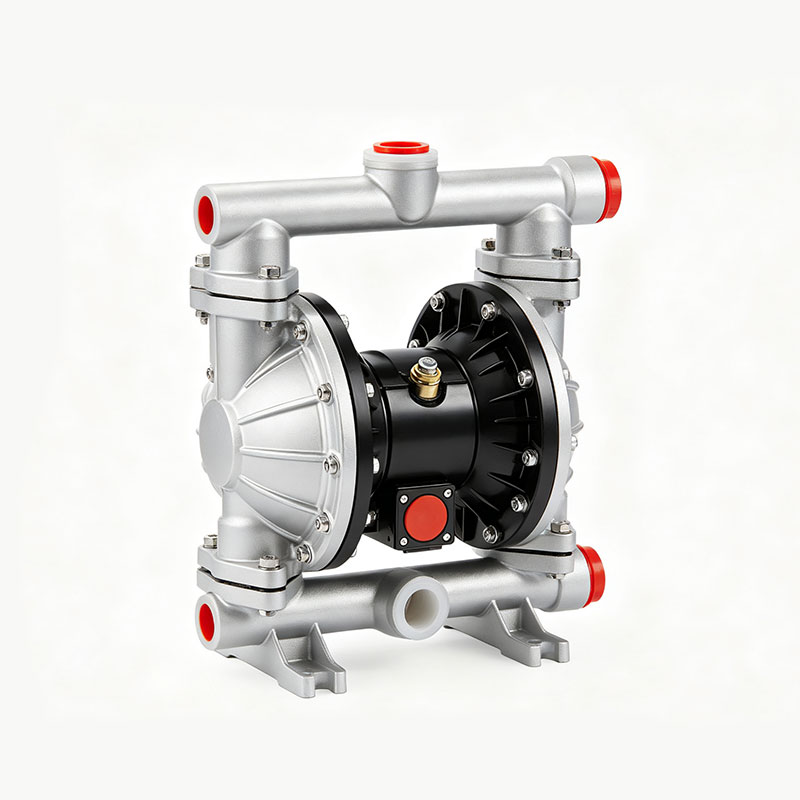
Technical parameters: minimum flow rate up to 0.03 l/min, pressure up to 24 bar
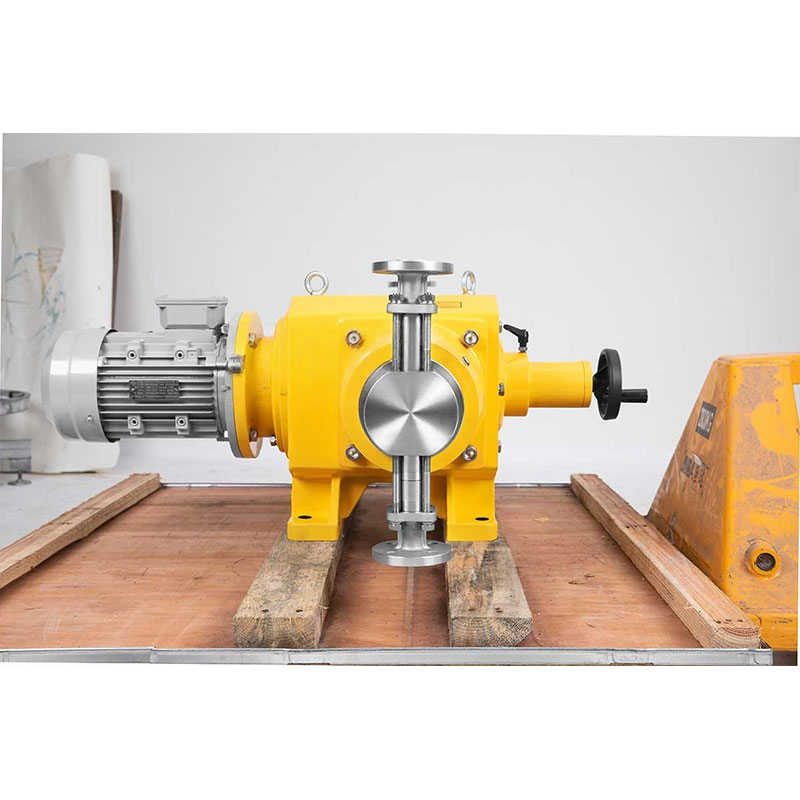
Thanks to the reciprocating movement of the plunger, the working medium is directly sucked in or pumped out. Since the plunger and seal are in direct contact with the fluid, the correct choice of plunger material and seal type ensures more ideal pump performance during operation.
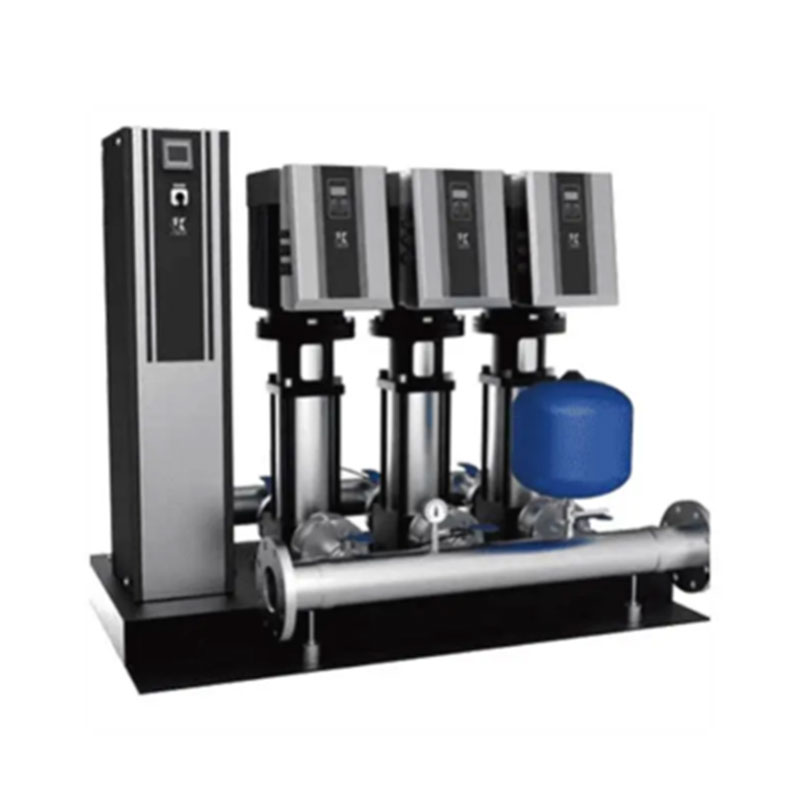
KQGV frequency controlled digital integrated water supply equipment has many advantages: safe water supply, reliable operation, water saving and hygiene, high efficiency and energy saving, intelligent monitoring and control.
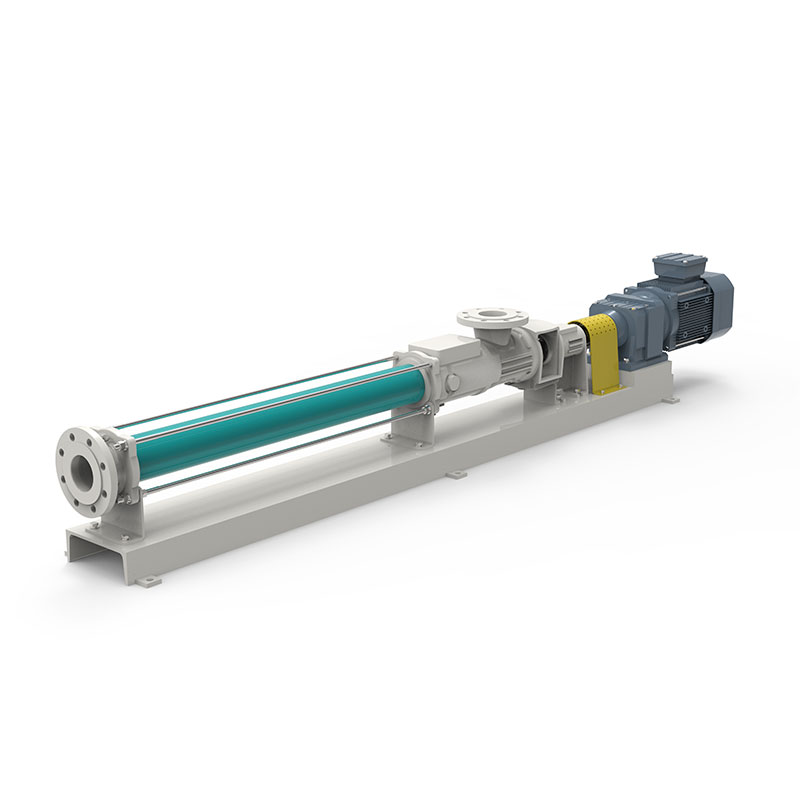
Technical parameters: capacity up to 300 m³/h, pressure up to 48 bar
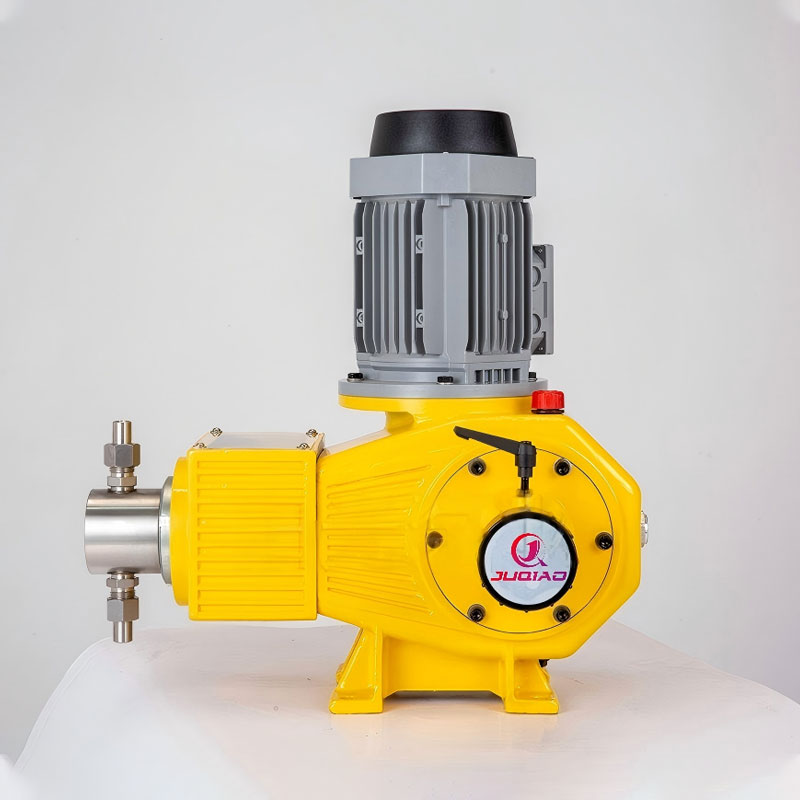
Thanks to the reciprocating movement of the plunger, the working medium is directly sucked in or pumped out. Since the plunger and seal are in direct contact with the fluid, the correct choice of plunger material and seal type will ensure more ideal pump performance during operation.